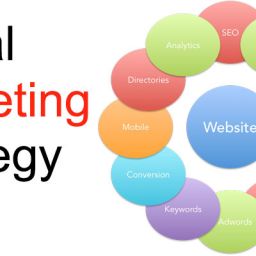


Most businesses today are drowning in data — Google Analytics dashboards, SEO tools, CRM reports, social insights, heatmaps, ad metrics — yet still making decisions based on gut feelings, outdated assumptions, or whatever “worked last year.”
That gap?
That’s where marketing intelligence lives.
And whether you’re a startup founder, a content creator, or a marketing lead at a growing company, the real question isn’t what marketing intelligence is anymore.
It’s this:
Are you truly using it — or just collecting it?
Marketing Intelligence: A Modern Definition
Marketing intelligence is the strategic process of collecting, analyzing, and activating data about your audience, competitors, and digital performance — so your marketing decisions are intentional, not accidental.
In 2026 terms, it’s no longer just:
- Traffic numbers
- Keyword rankings
- Conversion rates
Modern marketing intelligence blends:
- AI-driven insights
- Behavioral analytics
- UX and accessibility data
- SEO + content performance
- Privacy-compliant audience intelligence
- Predictive trends
In short:
It’s the difference between guessing and knowing.
Why Marketing Intelligence Has Changed (Fast)
Here’s why:
- AI is now doing the heavy lifting
Tools like Google Analytics 4, SEMrush, Ahrefs, Hotjar, and AI-powered CRMs don’t just report — they interpret. - Privacy laws reshaped tracking
GDPR, CCPA, cookie consent frameworks, and server-side tracking mean marketers must rely on smarter data, not more invasive data. - Personalization is expected
Users expect websites and content to feel relevant — instantly. - UX is now a ranking factor
Core Web Vitals, accessibility, and user behavior directly impact SEO and conversions.
Marketing intelligence today is holistic, ethical, and action-oriented.
The Core Pillars of Modern Marketing Intelligence
1. Audience Intelligence (Beyond Demographics)
Forget age and location alone.
Modern audience intelligence focuses on:
- Search intent
- Content engagement patterns
- Behavioral flows
- Accessibility needs
- Device and context usage
AI tools now identify why users behave the way they do — not just what they click.
If you don’t understand your audience’s intent, personalization becomes noise.
2. Competitive Intelligence (In Real Time)
Your competitors aren’t standing still — and neither should you.
Using tools like:
- SEMrush
- Ahrefs
- Similarweb
- Surfer SEO
…you can now see:
- What keywords competitors are winning
- Which content formats convert best
- Where they’re losing traffic (your opportunity)
Marketing intelligence today is proactive, not reactive.
3. Content Intelligence (What Actually Converts)
Content is no longer about volume — it’s about performance.
AI-powered content intelligence helps answer:
- Which blog posts drive qualified leads?
- Where users drop off?
- What formats increase time-on-site?
- Which CTAs actually work?
Smart businesses optimize existing content before chasing new traffic.
(Yes, your old blog posts are probably hiding gold.)
4. UX + Conversion Intelligence
This is where ONEWEBX thrives.
Marketing intelligence without UX insight is incomplete.
Tools like:
- Heatmaps
- Session recordings
- A/B testing platforms
- Accessibility audits