

In today’s fast-paced digital landscape, defining and measuring marketing objectives has become both more critical and more sophisticated. With AI tools, analytics dashboards, and privacy-conscious strategies, businesses can now pinpoint exactly what works—and what doesn’t.
This start-to-finish guide will show you how to set smart marketing objectives, measure them effectively, and turn data into growth. Whether you’re a small business owner, a content creator, or a corporate marketer, this guide will make your marketing smarter, sharper, and more profitable.
1. Start with the “Why”
Before you define an objective, ask: Why are we doing this campaign?
A well-defined objective should:
- Align with your business goals
- Solve a specific customer problem
- Be achievable and measurable
- Serve as a guide for all campaign decisions
Pro Tip: Tie marketing objectives directly to business outcomes, not vanity metrics. For example, instead of “increase social media likes,” aim for “generate 25 qualified leads from social media in Q1.”
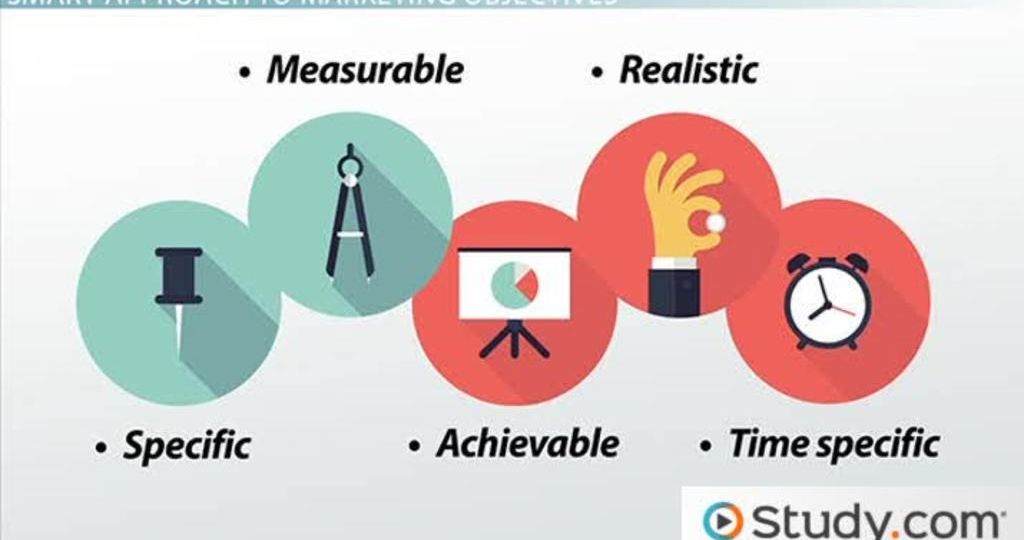
2. Use SMART Goals as Your Framework
SMART goals are still the gold standard—and now AI can help you fine-tune them. A SMART objective is:
- Specific: Clear and focused
- Measurable: Quantifiable results (think metrics, KPIs, analytics)
- Achievable: Realistic for your resources and audience
- Relevant: Aligns with your brand mission and customer needs
- Time-bound: Has a defined deadline or timeline
Example: “Increase organic traffic from AI-driven SEO content by 20% in six months using SEMrush and SurferSEO insights.”
3. Define the Right Metrics
Metrics are your dashboard for success—but only if you track the right ones. Modern tools make this easier than ever:
- Website Performance: Page speed, bounce rates, time on page, conversion rates (Google Analytics 4, Hotjar)
- SEO & Content Metrics: Keyword ranking, backlinks, content engagement (Ahrefs, SEMrush, SurferSEO)
- Social Media Engagement: Click-through rates, shares, comments, conversions (Meta Business Suite, LinkedIn Analytics)
- Lead Generation & Sales: Form completions, qualified leads, revenue attribution (HubSpot, Salesforce)
- AI-Powered Insights: Tools like ChatGPT analytics, Jasper AI reporting, and AI-driven marketing dashboards help predict trends and recommend optimizations
Pro Tip: Always focus on outcomes over outputs. It’s not about how many posts you make—it’s about how they impact your business.
4. Set Up Measurement Systems
Once your objectives and metrics are defined, you need a reliable way to measure progress:
- Dashboards & Analytics: Use Google Analytics 4, HubSpot, or Tableau for real-time insights
- Attribution Models: Determine which channels drive the most conversions
- Automation & Alerts: Set automated reports and alerts for KPIs using AI-powered tools
- Regular Check-Ins: Weekly or monthly reviews allow for rapid course correction
Pro Tip: Integrate UX/UI insights into measurement. A small design tweak, like a clearer CTA or faster mobile experience, can dramatically improve conversion metrics.
5. Analyze, Optimize, Repeat
Marketing objectives aren’t static. The modern approach is iterative:
- Collect Data: Pull insights from analytics, AI tools, and customer feedback
- Identify Patterns: What’s driving results? What’s falling flat?
- Optimize Campaigns: Test variations, tweak messaging, adjust channels
- Document Learnings: Build a knowledge base for smarter campaigns next time
Pro Tip: Use AI to simulate scenarios and forecast outcomes before investing heavily in campaigns. Tools like HubSpot’s AI, SEMrush trends, and ChatGPT insights can predict which strategies are likely to succeed.
6. ONEWEBX’s Approach to Marketing Objectives
At ONEWEBX, we don’t just set objectives—we make them actionable. Our approach combines:
- Data-Driven Strategy: Leveraging AI analytics to define high-impact objectives
- UX/UI-Optimized Campaigns: Designing experiences that convert visitors into customers
- Continuous Measurement: Tracking, analyzing, and iterating in real-time
- AI Integration: Using predictive analytics and content optimization tools to maximize ROI
