
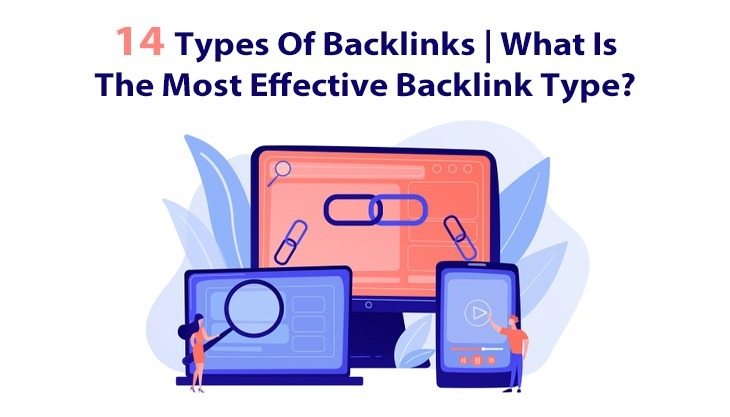
At ONEWEBX, we help businesses earn links that actually move rankings and revenue. This guide breaks down the 14 most common backlink types, what to avoid, what to tolerate, and what to actively pursue today.
First, a Reality Check About Backlinks in the AI Era
Google doesn’t just count links anymore.
It understands them.
Modern algorithms evaluate:
- Context and topical relevance
- Source authority and trust
- Link placement and intent
- Traffic quality
- Brand signals and mentions
- Historical behavior patterns
AI-powered tools like Ahrefs, SEMrush, Majestic, Google Search Console, and Screaming Frog help separate signal from noise — something Alexa never did particularly well anyway.
The 14 Types of Backlinks (Ranked by Real Value)
The Best Backlinks (Pursue These)
1. Editorial Backlinks
Earned naturally from authoritative sites that reference your content.
Highest trust
Best long-term value
Hard to fake (which is why they work)
2. Topically Relevant Guest Posts
Guest content on websites directly related to your industry.
Contextual relevance
Brand authority boost
Referral traffic potential
Not spammy. Strategic.
3. Digital PR & Media Mentions
Links from journalists, publications, and news outlets.
Massive trust signals
EEAT gold
Brand + SEO impact
PR is SEO now.
4. Resource Page Backlinks
Listed as a recommended resource on high-quality pages.
Stable
Highly relevant
Excellent for niche authority
5. Authority Directory Listings (Selective)
Think Google Business Profile, industry associations, or chambers of commerce.
Trust-building
Local SEO support
Citation consistency
Not your 2005 link farm directories.
The “It Depends” Backlinks (Use Carefully)
6. Niche Edits
Contextual links added to existing content.
Can work if done ethically
Risky if abused
Quality and intent matter.
7. Partner & Vendor Links
Links from real business relationships.
Natural
Brand-reinforcing
Limited scalability
8. Influencer & Creator Mentions
Links from creators or niche personalities.
Traffic potential
Brand relevance
Authority varies widely
9. Social Profile Links
Links from LinkedIn, X, YouTube, etc.
Brand validation
Discovery support
Minimal direct SEO value
Still important — just not ranking drivers.
The Bad Backlinks (Avoid or Clean Up)
10. Spam Directories
Low-quality, irrelevant listings.
No trust
High risk
Easy to detect
11. Comment Spam Links
Blog comments, forums, or profiles used solely for links.
Obvious manipulation
Often ignored or penalized
12. Private Blog Networks (PBNs)
Networks built only to pass link juice.
Short-term gains
Long-term damage
AI flags these fast
13. Paid Links Without Disclosure
Buying links without transparency.
Policy violations
Risk of penalties
Wasted money
14. Irrelevant Foreign or Auto-Generated Links
Links from unrelated or auto-created sources.
Zero relevance
Algorithmic red flags
Cleanup nightmare
Backlinks, UX, and Conversion: The Missing Link (Pun Intended)
Here’s what most SEO blogs won’t tell you:
Backlinks don’t just influence rankings — they influence who finds you.
High-quality links bring:
- Better traffic
- Higher engagement
- Stronger conversion rates
Garbage links bring garbage users.
At ONEWEBX, we treat backlink strategy as part of holistic digital growth, not a checkbox SEO task.
How AI Is Changing Link Building (For Better or Worse)
AI tools now:
- Identify toxic links automatically
- Analyze link relevance at scale
- Predict link impact
- Spot unnatural patterns
- Assist outreach personalization