

In today’s digital ecosystem—where AI rewrites workflows overnight, privacy laws reshape data access, and user expectations evolve faster than most websites—market research isn’t a “nice-to-have.” It’s your strategic advantage.
At ONEWEBX, we see it all the time: businesses investing in ads, content, and redesigns without truly understanding their audience, competitors, or market signals. The result? Pretty websites that don’t convert, campaigns that don’t resonate, and brands that feel… generic.
So let’s fix that.
Here are four essential types of market research every modern business should be using—and how to leverage them with today’s tools, data ethics, and AI-powered insights.
1. Customer Research: Stop Guessing. Start Listening.
Your customers are already telling you what they want. The trick is knowing where (and how) to listen.
What it is
Customer research focuses on understanding your audience’s:
- Needs, pain points, and motivations
- Buying behavior and decision triggers
- Digital expectations (UX, accessibility, personalization)
Modern tools & tactics
Forget outdated keyword guesswork. Today’s customer research blends human insight with smart automation:
- AI-assisted surveys and sentiment analysis (via tools like Hotjar, Typeform, and AI survey analyzers)
- GA4 behavior tracking (privacy-first and intent-driven)
- Social listening tools and Reddit/LinkedIn community analysis
- CRM + AI insights to spot patterns across touchpoints
ONEWEBX Insight: The best-performing websites today aren’t just optimized for SEO—they’re optimized for empathy. UX and content should reflect real customer language, not marketing jargon.
2. Competitive Research: Learn Faster by Watching Smarter
Your competitors are an open textbook—if you know how to read it.
What it is
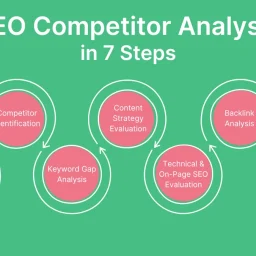
Competitive research evaluates:
- How competitors position themselves
- What keywords and content strategies they prioritize
- Where their UX excels—or fails
- How they leverage AI, automation, and personalization
Modern tools & tactics
- SEO intelligence platforms like Semrush, Ahrefs, and Similarweb
- UX audits powered by heatmaps and AI pattern recognition
- AI-assisted content gap analysis
- Ad transparency tools (Google Ads Library, Meta Ad Library)
Pro Tip: Don’t copy competitors—out-strategize them. The goal is differentiation, not duplication.
3. Market Trend Research: Stay Relevant Before It’s Urgent
Trends don’t wait for quarterly meetings.
What it is
Market trend research helps you identify:
- Emerging technologies (AI automation, no-code tools, headless CMS)
- Shifting consumer expectations (privacy, accessibility, sustainability)
- Industry-specific digital behaviors
Modern tools & tactics
- Google Trends + AI forecasting tools
- Thought leadership platforms (Substack, LinkedIn Pulse, industry newsletters)
- Data-backed reports from trusted digital research firms
- AI-powered content trend analyzers
ONEWEBX Perspective: Businesses that adapt early win trust faster. Trend research informs smarter content, better UX decisions, and future-proof web strategies.
4. Brand & Performance Research: Measure What Actually Matters
If you’re not measuring, you’re marketing blind.
What it is
This research evaluates:
- Brand perception and credibility
- Website performance and conversion paths
- Content effectiveness across channels
Modern tools & tactics
- GA4 + conversion modeling
- AI-driven CRO tools (predictive heatmaps, A/B testing)
- Brand sentiment analysis using AI language models
- Accessibility audits and performance benchmarking
Reality Check: Traffic alone doesn’t pay the bills. Conversions, trust, and retention do.
Why This Matters (and Why ONEWEBX Leads Here)
Market research isn’t just data—it’s direction.
At ONEWEBX, we don’t just collect insights. We translate them into:
- High-converting websites
- SEO strategies aligned with real intent
- UX/UI systems designed for humans and algorithms
- AI-enhanced workflows that scale without losing authenticity
When research drives strategy, marketing stops feeling random—and starts delivering results.