
At ONEWEBX, we see APIs as business accelerators, not technical headaches. When used strategically, they turn fragmented data into clarity, workflows into automation, and digital guesswork into confident decisions.
Let’s break it down—no computer science degree required.
What APIs Really Do (In Plain English)
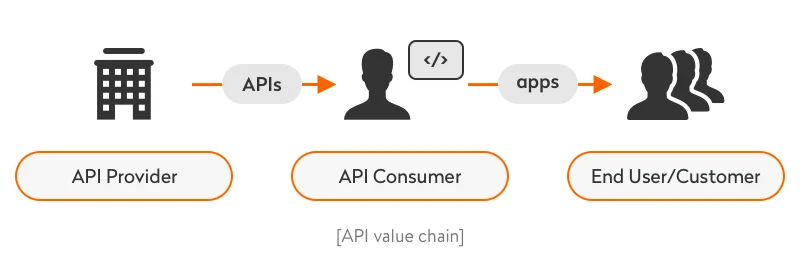
An API (Application Programming Interface) lets different platforms talk to each other. Think of it as a translator between your website, your marketing tools, your CRM, your analytics, and now—your AI systems.
APIs answer questions like:
- What happens after someone fills out a form?
- Which content actually drives revenue—not just traffic?
- How can we personalize experiences in real time?
- Where are leads leaking out of our funnel?
Instead of manually stitching together data from five dashboards, APIs pull everything into a single, usable flow.
APIs + AI: Where Things Get Interesting
Here’s where modern businesses win.
Today’s APIs don’t just move data—they feed AI engines that analyze behavior, predict outcomes, and automate decisions.
Real-world examples we build at ONEWEBX:
- AI-powered lead scoring using CRM and behavior-tracking APIs
- Predictive content recommendations using analytics + AI models
- Smart chatbots trained on internal data via secure APIs
- Automated reporting dashboards that update in real time
APIs turn AI from a buzzword into a business tool.
Solving Complex Business Questions with APIs
1. Understanding Customer Behavior (Beyond Page Views)
Modern analytics APIs (like GA4, Hotjar, or Mixpanel) reveal:
- Scroll depth
- Drop-off points
- Micro-interactions
- User journeys across devices
Layer that data into an AI model, and suddenly you’re not guessing—you’re predicting.
2. Smarter SEO Without the Guesswork
Legacy tools are out. Today’s SEO is powered by APIs from platforms like:
- SEMrush
- Ahrefs
- Google Search Console
- Surfer SEO
By connecting these via APIs, businesses can:
- Identify keyword gaps
- Track real-time SERP volatility
- Optimize content using AI-assisted insights
- Align SEO with actual conversion data—not vanity metrics
3. Automation That Actually Saves Time
APIs power modern automation tools like Zapier, Make, and custom AI workflows.
Examples:
- Automatically enrich leads with firmographic data
- Trigger personalized email or SMS sequences
- Sync inventory, pricing, or booking data instantly
- Generate AI-written summaries or reports on demand
Less manual work. More strategic thinking.
APIs and UX: The Invisible Advantage
Great UX isn’t just design—it’s data-driven responsiveness.
APIs enable:
- Real-time personalization
- Location-aware content
- Accessibility improvements (WCAG-compliant adaptations)
- Faster load times via optimized data delivery
When users feel like your website “gets them,” APIs are usually working quietly in the background.
Privacy, Security, and Trust (Yes, This Matters)
Modern APIs must respect:
- GDPR
- CCPA
- Consent-based tracking
- Secure authentication (OAuth, token-based access)
At ONEWEBX, we design API integrations with privacy-first architecture—because trust is part of the user experience.
Why This Matters for Growing Businesses
APIs allow small businesses to:
- Compete with enterprise-level systems
- Scale without rebuilding everything
- Make confident, data-backed decisions
- Future-proof their digital infrastructure
They’re no longer optional—they’re foundational.
How ONEWEBX Helps
We don’t just “connect tools.”
We translate business goals into intelligent systems.
Our approach:
- Identify the real business question
- Map the data sources
- Design API-driven workflows
- Integrate AI where it adds value
- Optimize UX, performance, and conversion
The result? Websites and digital platforms that think, adapt, and grow with your business.