

If you think creating a B2B buyer persona is just about slapping a few demographics on a slide, you’re missing the point—and probably leaving leads on the table.
In today’s hyper-digital world, B2B buyers are savvy. They research extensively, compare solutions, and make decisions across multiple touchpoints—all while expecting personalized, frictionless experiences. This makes accurate buyer personas not just useful, but critical.
Here are three big mistakes most businesses make with B2B personas—and how to fix them.
Mistake 1: Using Generic, Outdated Data
Too many companies build personas based on assumptions or old data: “Our typical client is a mid-level marketing manager who works in tech.” Sure… but that’s like describing everyone as “human.”
Why it hurts: Outdated personas misguide your marketing strategy, content, and product messaging. You might be targeting the wrong pain points, or worse—alienating the right audience.
Modern fix: Use AI-driven analytics and CRM insights. Tools like HubSpot, SEMRush, or Crystal Knows can help you track behavior, communication preferences, and intent signals in real time. Pair this with surveys and interviews to validate assumptions.
Mistake 2: Ignoring the Customer Journey
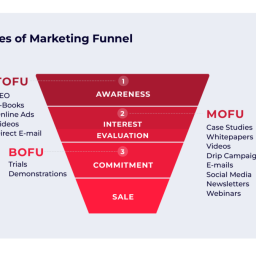
A persona is more than a job title. If you ignore the buyer’s journey, your messaging will fall flat. Your ideal customer behaves differently depending on whether they’re discovering solutions, evaluating options, or ready to buy.
Why it hurts: Without a journey-based approach, your campaigns are scattered, your email sequences underperform, and your website conversion rates stagnate.
Modern fix: Map personas across the full buyer journey. AI tools like PathFactory or Marketo can analyze engagement patterns to determine which content resonates at each stage. Then tailor content and calls-to-action to meet your audience exactly where they are.
Mistake 3: Failing to Humanize the Persona
B2B buyers aren’t robots—they’re humans with motivations, challenges, and aspirations. Too often, companies create personas that are cold and mechanical, focusing on revenue impact or departmental role instead of human needs.
Why it hurts: Marketing feels robotic, messaging misses emotional triggers, and engagement drops.
Modern fix: Include psychographics, challenges, and behavioral patterns. Ask questions like:
- What keeps this person up at night?
- Which tools do they love (or hate)?
- How do they prefer to consume information?
AI sentiment analysis on social media, review sites, and forums can provide rich insights into these human aspects—making your personas living, breathing representations rather than static charts.