

Let’s face it: B2B lead generation has evolved. The old playbook of cold emails, generic blog posts, and aggressive pop-ups just doesn’t cut it anymore. Today, businesses want value, relevance, and seamless digital experiences before they even consider handing over their contact info.
The good news? With AI-powered tools, smarter content strategies, and UX-driven design, you can create content that doesn’t just attract clicks—it converts the right leads, consistently. Here’s how to do it.
1. Understand Your Audience Beyond Job Titles
Too often, B2B marketers focus on demographics: “They’re a CTO at a SaaS company.” But in 2026, knowing your audience means understanding their pain points, workflows, and decision triggers.
Modern tools to help:
- SEMrush & Ahrefs – Analyze competitors’ content and see which topics resonate with your target decision-makers.
- HubSpot Audience Insights – Identify audience behavior patterns and content preferences.
- AI Analytics Tools (like ChatGPT for trend prediction or MarketMuse for content gaps) – Highlight opportunities where your audience is actively seeking solutions.
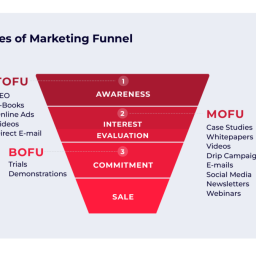
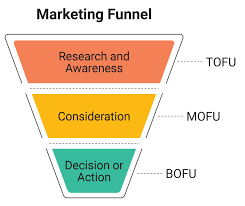
Pro tip: Map the buyer journey and create content tailored for each stage: awareness, consideration, and decision.
2. Craft Content That Converts, Not Just Clicks
Conversion-driven content isn’t about a flashy CTA slapped at the bottom of a post. It’s about creating relevance, trust, and authority at every touchpoint:
- Educational blogs – Solve real problems your audience faces.
- Case studies – Show measurable results from clients similar to your prospects.
- Interactive content – ROI calculators, assessments, or quizzes that double as lead-capture tools.
- Video content – A short 2–3 minute explainer or product walkthrough often outperforms long blog posts.
AI tools can help you generate personalized content that resonates with different segments of your audience, while SEO platforms ensure that your content actually gets discovered.
3. Optimize for SEO and AI-Driven Search
Search isn’t just about keywords anymore—it’s about intent and semantic relevance. Google’s AI-driven algorithms prioritize content that truly satisfies a query.
- Use tools like SurferSEO or SEMrush to optimize for intent, not just keywords.
- Structure your content with H1/H2 headings, bullet points, and clear CTAs.
- Leverage AI for meta descriptions, FAQs, and schema markup to boost visibility.
Bonus: Rich, accessible content—including alt text, captions, and transcripts—supports both SEO and inclusive UX.
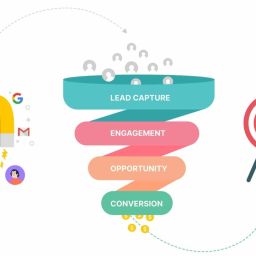
4. Build Lead Funnels That Feel Natural
Once prospects land on your content, the journey must feel intuitive:
- Landing pages – Tailor them to specific buyer personas or campaigns.
- Smart forms – Reduce friction by asking only for essential information.
- AI chatbots – Qualify leads in real time without annoying your visitors.
The goal is simple: reduce friction, increase relevance, and guide visitors toward action naturally.
5. Measure, Learn, and Iterate
B2B lead generation isn’t “set it and forget it.” Modern marketers rely on continuous testing and AI-driven analytics:
- Track conversion metrics and adjust CTAs or page layouts.
- Analyze content performance using Google Analytics 4, HubSpot, or Hotjar.
- Use AI tools to predict which topics will drive engagement next.
The more data you collect, the more precise your content can become—and the faster your lead generation improves.
Real-World Example
Imagine a SaaS company targeting HR managers. Instead of generic content about “employee engagement software,” they create:
- A quiz: “What’s Your Workplace Engagement Score?”
- A case study: “How 200 HR Managers Improved Retention by 20% in 90 Days”
- A video walkthrough showing actionable tips
By combining interactive content, educational value, and optimized landing pages, the company attracts high-quality leads who are already primed to engage with sales.
- Know your audience’s challenges, not just their job titles.
- Content must educate, engage, and convert.
- Use AI and SEO tools to boost reach and relevance.
- Smooth, user-focused funnels maximize lead conversion.
- Iterate constantly—today’s top-performing content may need updating tomorrow.
In 2026, B2B lead generation is less about chasing clicks and more about building trust and relevance through smart content, AI, and thoughtful UX. Master these, and your business won’t just capture leads—it will create relationships that last.