

In 2026, B2B buyers:
- Research independently before contacting sales
- Compare competitors instantly
- Use AI tools to summarize your website
- Expect personalization
- Care about compliance, accessibility, and credibility
If your content isn’t strategic, structured, and conversion-focused, it’s invisible.
At ONEWEBX, we help B2B brands transform content from “informative” to revenue-generating. Here are four modern strategies—with examples—to elevate your B2B content marketing.
1. Build Topic Authority (Not Random Blog Posts)
Search engines no longer reward scattered content. They reward expertise.
Thanks to AI-driven search and Google’s emphasis on E-E-A-T (Experience, Expertise, Authority, Trust), B2B brands must demonstrate depth—not just surface-level knowledge.
Strategy:
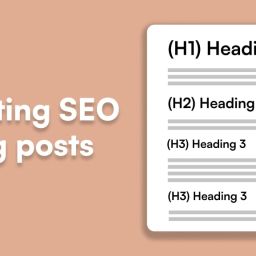
Create content clusters around core services.
For example, if you offer enterprise cybersecurity:
- Pillar page: “Complete Guide to Enterprise Cybersecurity in 2026”
- Supporting articles:
- Compliance requirements (GDPR, CCPA updates)
- AI-driven threat detection
- Cost comparison breakdown
- Case study
- Implementation checklist
Use tools like:
- Semrush
- Ahrefs
- Google Search Console
- Surfer SEO
These replace outdated tools like Alexa and provide real competitive insights.
Why It Works:
You signal authority to both search engines and decision-makers.
At ONEWEBX, we architect content ecosystems that dominate niches—not just keywords.
2. Turn Case Studies into Strategic Sales Assets
Most B2B case studies are boring.
“Client had problem. We fixed it. The end.”
Modern B2B buyers want proof—quantified, transparent, and contextual.
Strategy:
Structure case studies like mini transformation stories:
- The challenge (real metrics)
- The strategy (process transparency)
- The execution (tools & tech used—including AI)
- The measurable results
- The lessons learned
Example:
Now you’re talking ROI.
Even better? Repurpose case studies into:
- LinkedIn carousel posts
- Short-form videos
- Email campaigns
- Sales enablement PDFs
One asset. Multiple channels. Maximum leverage.
3. Use AI to Enhance (Not Replace) Expertise
AI has changed content production forever.
But here’s the mistake many B2B brands make:
They generate content quickly—but without insight.
Search engines can detect generic content. So can executives.
Smart AI Usage:
- Use AI to analyze competitor gaps
- Identify trending industry questions
- Generate outlines
- Optimize metadata
- Personalize email follow-ups
What to Avoid:
- Publishing unedited AI articles
- Overusing buzzwords
- Creating content without real-world examples
The winning formula?
AI efficiency + Human strategy.
At ONEWEBX, we integrate AI tools into structured workflows—ensuring content remains original, authoritative, and aligned with brand positioning.
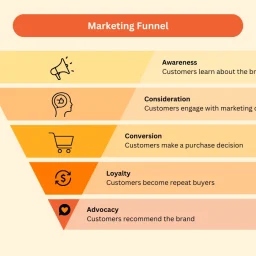
4. Align Content with the B2B Buyer Journey
Not all content should “sell.”
Different stages require different messaging.
Awareness Stage:
- Industry trend reports
- Educational blog posts
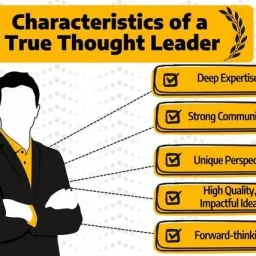
- Thought leadership insights
- SEO-driven guides
Consideration Stage:
- Comparison articles
- Webinars
- Case studies
- ROI breakdowns
Decision Stage:
- Product demos
- FAQs
- Testimonials
- Security & compliance documentation
Modern B2B buyers expect frictionless experiences.
Your website should:
- Load fast (Core Web Vitals matter)
- Be mobile-friendly
- Include accessibility best practices
- Clearly communicate trust signals
- Offer intuitive navigation
Because content without UX strategy is just noise.
The New Reality of B2B Marketing
Here’s what’s changed:
- AI summaries influence first impressions
- Privacy laws demand transparency
- Buyers want data-backed decisions
- LinkedIn has become a primary research platform
- Short-form video now supports long-form authority
Your content must be:
Strategic. Structured. Search-optimized. Human.
This isn’t about publishing more.
It’s about publishing smarter.
How ONEWEBX Elevates B2B Content Marketing
We don’t treat content as decoration.
We treat it as infrastructure.
Our approach integrates:
- SEO architecture
- UX/UI design
- AI automation
- Conversion optimization
- Analytics-driven refinement
Because the goal isn’t traffic.