
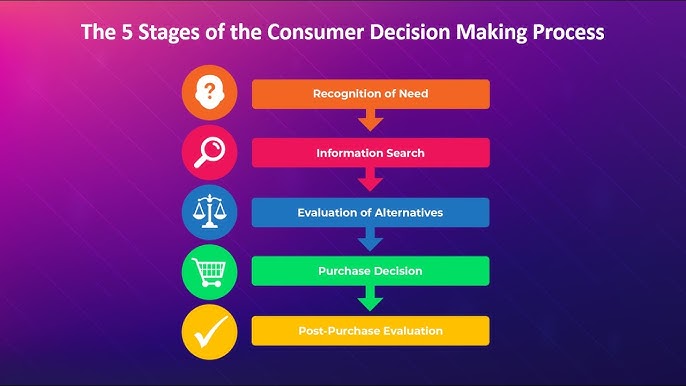
Let’s break down how modern businesses should market at each stage of the buying decision process, using today’s tools, data, and AI-powered insights.
Stage 1: Awareness — “I Have a Problem… I Think”
At this stage, buyers aren’t shopping. They’re realizing.
Your job isn’t to sell—it’s to show up with clarity and credibility.
What Works Now
- SEO-driven educational content (blogs, guides, explainers)
- Short-form video (Reels, Shorts, TikTok, YouTube)
- Thought leadership on LinkedIn
- AI-optimized content aligned with search intent
- Fast, accessible, mobile-first design
Modern SEO tools like Google Search Console, Semrush, and Ahrefs, combined with AI-assisted content research, help identify:
- What questions people are actually asking
- How competitive those questions are
- Where your expertise fits naturally
ONEWEBX insight:
If your awareness content feels salesy, you’ve already lost trust.
Stage 2: Consideration — “Who Can Actually Help Me?”
Now the buyer is comparing.
They want reassurance, proof, and differentiation.
This is where strategy meets storytelling.
What Works Now
- In-depth blog posts and case studies
- Comparison pages and solution explainers
- Email nurturing sequences
- Webinars, demos, and educational videos
- Personalized content powered by AI and behavior tracking
Modern analytics and AI tools help you:
- Segment audiences by intent
- Serve tailored content automatically
- Track which content influences decisions—not just conversions
UX matters here more than ever.
Clear navigation, scannable layouts, and accessible design are not “nice to have”—they’re deal-breakers.
Stage 3: Decision — “Do I Trust You Enough to Buy?”
This is the moment of truth.
At the decision stage, emotion and logic collide—and your website must remove friction, not add it.
What Works Now
- Conversion-focused landing pages
- Clear, confident calls-to-action
- Social proof (reviews, testimonials, client logos)
- Trust signals (security, accessibility, privacy compliance)
- AI-enhanced chat, scheduling, and support tools
Modern UX/UI design combined with analytics reveals:
- Where users hesitate
- What causes drop-offs
- Which CTAs actually convert
ONEWEBX insight:
A beautiful website that doesn’t convert is just expensive art.
Stage 4: Post-Purchase — “Did I Make the Right Choice?”
Most brands forget this stage. The smart ones build loyalty here.
Post-purchase marketing fuels:
- Retention
- Referrals
- Reviews
- Lifetime value
What Works Now
- Automated onboarding sequences
- Personalized follow-up emails
- Helpful content and resources
- Review and feedback prompts
- Ongoing value through education
AI-driven personalization allows brands to:
- Anticipate customer needs
- Offer relevant upsells or next steps
- Maintain consistent engagement without being intrusive
Retention is cheaper than acquisition—and far more powerful.
The Modern Reality: The Funnel Is Alive
The buying process isn’t linear.
People move backward, pause, restart, and switch devices constantly.
That’s why modern marketing relies on:
- AI-powered insights
- Cross-channel consistency
- UX-driven design
- Privacy-first analytics
- Intent-based content ecosystems
At ONEWEBX, we don’t design funnels—we build adaptive digital experiences that meet users wherever they are and guide them forward with intention.