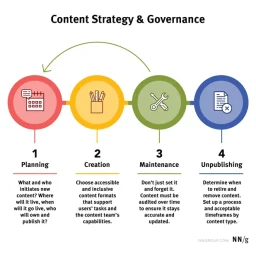


Here’s your updated 9-step guide to crafting content that engages readers, drives conversions, and works hand-in-hand with SEO and UX best practices.
Step 1: Define Your Audience
Knowing who you’re writing for is everything. Ask:
- Who are your ideal customers?
- What problems are they trying to solve?
- What tone and style will resonate with them?
Use AI tools like Crimson Hexagon or social listening software to analyze your audience’s interests, behavior, and content preferences.
Step 2: Set Clear Goals
Every piece of content should have a purpose:
- Drive traffic through SEO
- Generate leads or conversions
- Build brand authority
- Educate or inform
Define KPIs upfront — whether it’s clicks, engagement, or time on page — so you can measure success accurately.
Step 3: Conduct Keyword and Topic Research
Forget outdated keyword stuffing. Modern SEO focuses on:
- Semantic search
- Search intent
- Long-tail keywords
Tools like SEMrush, Ahrefs, or AI-powered content planners help identify trending topics and content gaps in your niche.
Step 4: Outline Your Content
Before writing a single word:
- Map headings (H1, H2, H3)
- Include bullet points for key ideas
- Plan visual elements like images, charts, or infographics
A clear outline ensures scannable content — essential for readability and accessibility.
Step 5: Write With Clarity and Personality
Your writing should be:
- Conversational but authoritative
- Actionable — provide steps, tips, or solutions
- Readable — short paragraphs, subheadings, and bullets
AI writing assistants can generate drafts or suggest improvements, but human editing ensures tone, humor, and brand personality shine through.
Step 6: Optimize for SEO and UX
Modern website content needs to:
- Include primary and secondary keywords naturally
- Use meta titles and descriptions
- Feature internal and external links
- Follow web accessibility standards (WCAG 2.1)
- Optimize images and multimedia for load speed
SEO is now a collaboration between content and UX, so design and writing go hand in hand.
Step 7: Add Visuals and Interactive Elements
Images, infographics, videos, and interactive tools:
- Increase engagement
- Boost dwell time
- Help explain complex topics
Example: Use AI tools to generate infographics or dynamic charts that update with real-time data.
Step 8: Proofread, Test, and Refine
Don’t just check grammar. Also check:
- Readability and flow
- Mobile and desktop appearance
- Link functionality
- Conversion-focused elements like CTAs
AI proofreading tools can catch errors, but human review ensures content aligns with brand voice.
Step 9: Monitor Performance and Iterate
Publishing isn’t the finish line. Use analytics to track:
- Pageviews, engagement, and bounce rates
- Conversion rates for CTAs
- SEO performance (rankings, backlinks)