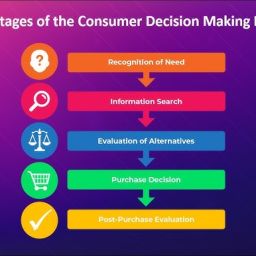


Every successful marketing strategy starts with a simple truth: your customers don’t move in a straight line. They scroll, click, compare, leave, return, ask friends, get distracted, and—if you’re lucky—finally convert.
Here’s the catch: if you don’t understand how your audience navigates your brand, you’re leaving money—and loyalty—on the table. That’s where customer journey mapping comes in.
With AI analytics, modern UX tools, and personalized marketing, mapping your customer journey in 2026 is smarter, faster, and far more actionable than ever before. Here’s how to use a customer journey mapping template to spot gaps in your marketing strategy and turn browsers into loyal customers.
Why Customer Journey Mapping Matters Today
Modern buyers expect seamless experiences across devices and platforms. They value:
- Personalization: AI tools can now tailor content to users in real time.
- Accessibility: Websites must be usable by everyone, including people with disabilities.
- Privacy & Trust: GDPR, CCPA, and evolving privacy laws require transparent, respectful data practices.
- Multi-channel Consistency: Your brand voice must align across social media, email, website, and apps.
Mapping your journey identifies where your strategy succeeds—and where it fails—helping you:
- Reduce friction and abandoned carts
- Improve conversion rates
- Align marketing and UX for a consistent brand experience
- Prioritize high-impact marketing efforts
Step 1: Define Your Customer Personas
Before you map anything, you need to know who you’re mapping.
- Demographics, psychographics, behaviors, and goals
- Preferred platforms and content types
- Pain points, objections, and motivations
Pro Tip: Use AI tools like HubSpot’s Persona Generator or Crystal Knows to analyze existing customer data and refine your personas automatically.
Step 2: List Every Touchpoint
Touchpoints are the moments your customer interacts with your brand:
- Website visits
- Social media engagement
- Email newsletters
- Customer service calls or chatbots
- Ads, referral links, and content downloads
Map each touchpoint chronologically. Then, annotate: Does this touchpoint delight, inform, or frustrate your customer?
Modern Tool Tip: Platforms like Hotjar, Microsoft Clarity, or FullStory provide AI-driven heatmaps and session recordings to visualize where users get stuck.
Step 3: Identify Pain Points & Marketing Gaps
Once your touchpoints are mapped, look for gaps:
- High bounce rates on key pages
- Low engagement on social media or email campaigns
- Confusing navigation or UX issues on your website
- Content misalignment with funnel stages
Ask questions like:
- Where are users dropping off?
- Which touchpoints fail to inspire action?
- Are you using the right content format for each stage?
AI Advantage: AI analytics tools can segment users by behavior, showing patterns that human intuition might miss—like why mobile users abandon forms more often than desktop users.
Step 4: Prioritize & Implement Solutions
Not all gaps are created equal. Focus on areas with the biggest impact on conversion and retention:
- Improve page speed and mobile usability
- Personalize email and website content with AI recommendations
- Enhance social proof and trust signals at decision points
- Streamline checkout and lead capture forms
Step 5: Monitor, Iterate, Repeat
Customer journeys aren’t static. Trends, technologies, and user expectations evolve.
- Use AI dashboards to track engagement and conversion
- Update your map quarterly based on new behaviors
- Test new touchpoints with A/B testing and usability studies
Free Customer Journey Mapping Template
To make this practical, here’s a simple 5-column template you can use:
| Stage | Touchpoint | Customer Action | Pain Point / Gap | Solution / Action Plan |
|---|---|---|---|---|
| Awareness | Social Media | Clicks ad | Low engagement | Test new creatives with AI insights |
| Consideration | Blog | Reads article | Leaves page quickly | Add interactive quiz / CTA |
| Decision | Product Page | Adds to cart | Cart abandonment | AI-powered retargeting emails |
| Retention | Opens newsletter | Low open rate | Segment with AI & personalize content | |
| Advocacy | Social Share | Shares content | Few referrals | Incentivize referrals with loyalty program |