

Today’s customers move sideways, pause, compare, disappear, reappear — and expect brands to remember them without being creepy.
In an era of AI, privacy regulations, and infinite choice, customer lifecycle marketing is no longer optional. It’s the foundation of sustainable growth.
Let’s break down how it works now — and how to do it right.
What Is Customer Lifecycle Marketing (Today)?
Customer lifecycle marketing is the practice of delivering the right message, experience, and value at every stage of the customer relationship — from first touch to long-term loyalty.
Modern lifecycle marketing blends:
- Content strategy
- UX/UI design
- Automation and AI
- Ethical data usage
- Personalization at scale
It’s not about pushing people through a funnel.
It’s about earning momentum.
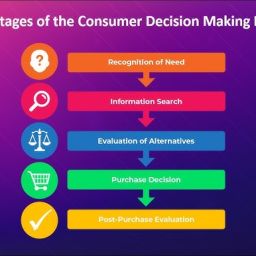
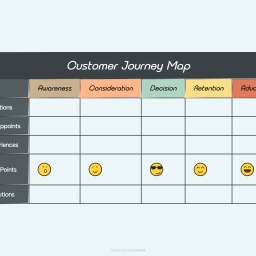
The 6 Stages of the Modern Customer Lifecycle
1. Awareness: Be Useful Before You’re Memorable
At this stage, your audience isn’t shopping — they’re learning.
What works now:
- Educational content (blogs, videos, guides)
- Search-optimized answers to real questions
- Human, relatable brand voice
AI-powered search rewards clarity and helpfulness. So do people.
2. Engagement: Design the First Experience
This is where UX matters most.
Your website should:
- Load fast
- Be mobile-first
- Be accessible (WCAG-compliant)
- Make next steps obvious
Engagement isn’t about clicks — it’s about comfort.
3. Consideration: Reduce Cognitive Load
Customers comparing options want:
- Clear value propositions
- Honest comparisons
- Social proof
- Transparent pricing
AI tools can personalize content here, but trust is built through clarity, not cleverness.
4. Conversion: Make “Yes” Feel Safe
Conversion happens when friction disappears.
High-performing conversion stages include:
- Simple forms
- Strong CTAs
- Reassurance signals (reviews, certifications, FAQs)
- Clear expectations
Every extra step costs trust.
5. Retention: Where Real Profit Lives
Retention is the most overlooked lifecycle stage — and the most valuable.
Smart brands:
- Use onboarding content to reduce churn
- Send behavior-based emails
- Offer ongoing education
- Listen, adapt, improve
AI helps predict churn — but human follow-up prevents it.
6. Advocacy: Turn Customers Into Momentum
Happy customers are your best marketers.
Lifecycle strategies that fuel advocacy:
- Referral programs
- Shareable success stories
- Community access
- Recognition and loyalty incentives
People promote brands that make them feel seen.
How AI Enhances (Not Replaces) Lifecycle Marketing
Used responsibly, AI helps brands:
- Predict intent
- Personalize messaging
- Automate repetitive tasks
- Identify drop-off points
- Optimize content timing
But here’s the truth:
AI amplifies strategy — it doesn’t replace it.
Without a clear lifecycle framework, AI just moves chaos faster.
Lifecycle Marketing + Privacy = Trust Economics
Modern lifecycle marketing must respect:
- GDPR
- CCPA
- Consent-based data collection
The goal isn’t more data — it’s better experiences.
Trust-first marketing isn’t just ethical — it converts better.
Tools That Power Modern Lifecycle Marketing
Replace outdated platforms with smarter stacks:
- Google Analytics 4 – lifecycle behavior insights
- HubSpot / ActiveCampaign – automation and CRM
- Semrush / Ahrefs – intent and content discovery
- Hotjar / Microsoft Clarity – UX behavior analysis
- AI copilots – content, segmentation, optimization
At ONEWEBX, tools serve strategy — not the other way around.
The ONEWEBX Lifecycle Advantage
We don’t treat marketing as campaigns.
We design customer journeys.
At ONEWEBX, we help businesses:
- Map real customer behavior (not assumptions)
- Align content, UX, and automation
- Use AI responsibly and transparently
- Build systems that scale without losing humanity