

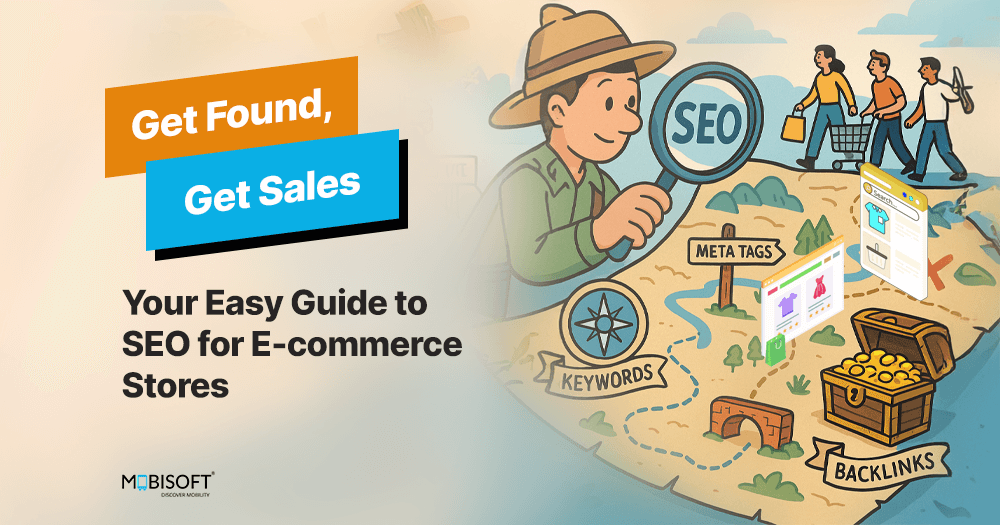
This updated 40-point ecommerce SEO checklist reflects how search actually works today—AI-powered search engines, privacy-first tracking, accessibility requirements, and customer experiences that convert browsers into buyers.
Let’s break it down.
Why Ecommerce SEO Looks Different Today
Search engines are no longer just indexing keywords—they’re interpreting intent, experience, and trust.
Modern ecommerce SEO is about:
- AI-assisted content optimization
- Page experience and Core Web Vitals
- Semantic search and topical authority
- Conversion-focused UX
- Ethical data use and privacy compliance
In short: SEO + UX + AI = visibility that converts.
The Ultimate 40-Point Ecommerce SEO Checklist
1. Keyword & Intent Strategy (The Foundation)
- Focus on search intent, not just keywords (informational vs transactional).
- Use modern SEO tools like Semrush, Ahrefs, Moz, SurferSEO, or Google Search Console instead of legacy platforms.
- Identify high-intent product and category keywords.
- Optimize for long-tail and conversational queries (especially for AI and voice search).
- Analyze competitor keyword gaps using AI-driven insights.
2. AI-Powered Content Optimization
- Use AI tools to enhance—not replace—human content.
- Write unique product descriptions (never copy manufacturers).
- Add FAQ sections to product pages for rich results and AI search.
- Structure content for featured snippets and AI summaries.
- Refresh old content quarterly using performance data and AI recommendations.
3. Site Architecture & Crawlability
- Keep your site structure flat and intuitive (3 clicks max to any product).
- Use clean, keyword-rich URLs.
- Create and submit an XML sitemap.
- Fix crawl errors in Google Search Console.
- Use internal linking strategically to boost authority.
4. Page Speed & Core Web Vitals
- Optimize images with next-gen formats (WebP / AVIF).
- Use a high-performance hosting environment.
- Minimize JavaScript bloat.
- Pass Google’s Core Web Vitals benchmarks.
- Lazy-load images and videos properly.
Speed isn’t a “nice-to-have.” It’s a ranking and conversion factor.
5. Mobile-First UX (Non-Negotiable)
- Design mobile experiences before desktop.
- Ensure tap targets are thumb-friendly.
- Use sticky CTAs for product pages.
- Test checkout flows on real mobile devices.
- Remove popups that hurt usability or violate UX guidelines.
6. Conversion-Focused UX & Trust Signals
- Highlight reviews, testimonials, and UGC.
- Use schema markup for products, reviews, and pricing.
- Display trust badges and security signals.
- Make returns, shipping, and policies crystal clear.
- Reduce checkout friction (guest checkout is essential).
7. Accessibility & Inclusivity (SEO’s Silent Powerhouse)
- Add descriptive alt text to all images.
- Ensure proper color contrast and readable fonts.
- Use semantic HTML and ARIA labels.
- Make your site navigable via keyboard.
- Accessibility improves SEO, usability, and legal safety.
8. Privacy, Compliance & Analytics
- Use privacy-compliant analytics (GA4 or alternatives).
- Implement clear cookie and data policies.
- Track user behavior ethically.
- Use heatmaps and session recordings responsibly.
- Optimize based on real user data—not assumptions.
Ecommerce SEO Isn’t a One-Time Fix
SEO today is ongoing optimization, not a checklist you run once and forget.
The brands winning right now are:
- Testing constantly
- Updating content regularly
- Using AI intelligently
- Designing for humans first
That’s where most businesses fall behind—and where ONEWEBX steps in.
Why ONEWEBX?
At ONEWEBX, we don’t chase algorithms—we design systems that adapt.
We combine:
- SEO strategy
- Conversion-focused UX/UI
- AI-driven insights
- Clean, scalable web design
So your site doesn’t just rank—it performs.