
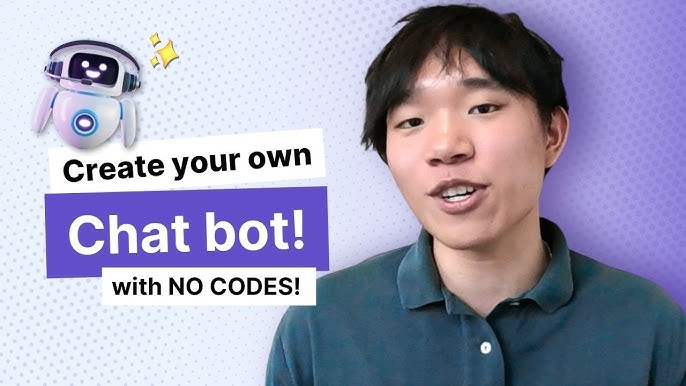
At ONEWEBX, we help small businesses and growing brands implement AI tools that actually deliver results. Let’s break down the 4 simple steps to create your own chatbot, even if your coding skills peak at “copy-paste.”
Step 1: Define Your Chatbot’s Purpose
Before clicking “create,” ask yourself: what problem will this chatbot solve?
- Customer support: answering FAQs 24/7
- Lead generation: qualifying visitors before a human steps in
- Sales support: recommending products based on user preferences
- Content engagement: providing quizzes, tips, or tutorials
Pro tip: Be specific. A chatbot that tries to do everything usually ends up doing nothing well. Focus on one core function and do it brilliantly.
Step 2: Choose a No-Code AI Platform
In 2026, the no-code AI ecosystem is booming. Some of the best options include:
- ManyChat – perfect for social media and ecommerce integrations
- Tidio – great for personalized website chat experiences
- Landbot – for conversational, flow-based interfaces
- ChatGPT Plugins & OpenAI’s API – powerful for advanced AI-driven conversations
These platforms handle the heavy lifting: AI responses, NLP (natural language processing), and integration with your website, CRM, or email marketing tool—no coding required.
Step 3: Design Your Chatbot Conversation
Think of your chatbot like a friendly employee who never sleeps. Key tips:
- Tone & personality: Keep it consistent with your brand. Funny, helpful, or professional? You decide.
- Flow & structure: Plan how the conversation progresses. Use buttons, quick replies, or menus instead of overwhelming users with long text.
- Fallbacks: Always include a way to connect with a human. AI is smart, but humans are wiser.
Modern UX tip: Make it accessible—ensure screen readers, keyboard navigation, and color contrast meet standards. Your chatbot should work for everyone.
Step 4: Test, Launch, and Optimize
Launching is just the beginning. Your chatbot needs ongoing care:
- Monitor performance: Which questions stump it? Which messages get ignored?
- Refine AI prompts: Tools like ChatGPT or Jasper can help you craft better responses.
- Integrate analytics: Platforms like SEMrush, Surfer SEO, or Google Analytics can help track leads and conversions driven by the chatbot.
- Personalize experiences: Use visitor data (ethically!) to suggest products, content, or services tailored to them.
Remember: A chatbot isn’t just a gimmick—it’s a digital team member that grows smarter and more valuable over time.
Why Your Business Needs a Chatbot Now
Customers expect instant answers. AI chatbots reduce friction, boost engagement, and free your team to focus on high-value work. The best part? With today’s no-code tools, you don’t need a developer or months of trial and error to make it happen.
At ONEWEBX, we guide small businesses and corporate clients to implement chatbots that actually convert—not just collect dust. If you want to elevate your website, automate smartly, and improve customer experiences, this is your moment.