
Let’s break down what it really means, how AI has transformed it, and how you can use it to dramatically improve marketing effectiveness.
What Is Behavioral Segmentation?
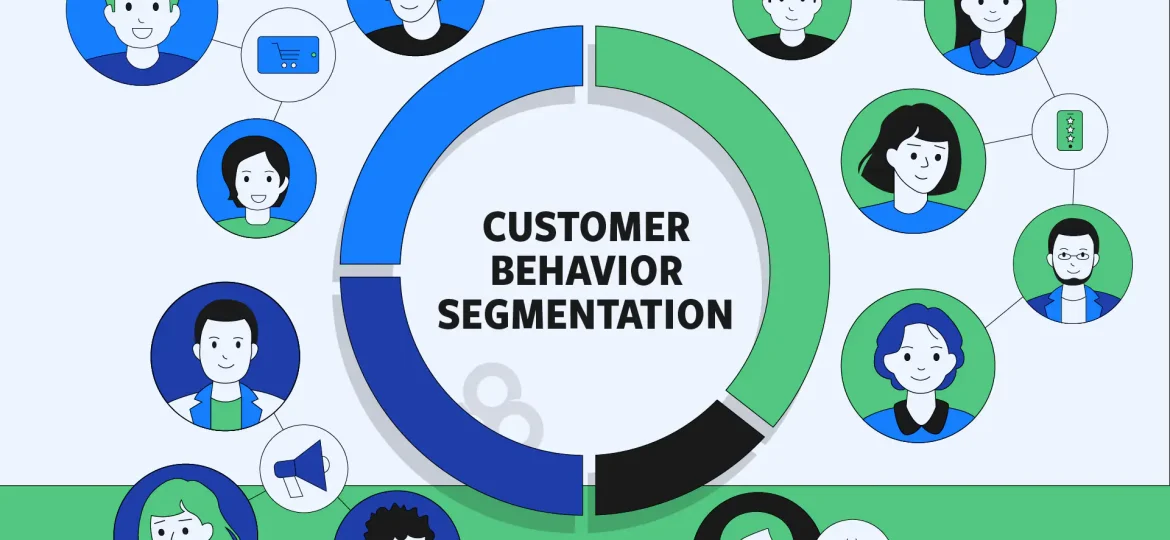
Behavioral segmentation divides your audience based on actions, interactions, and engagement patterns rather than static demographics.
Search engines like Google already prioritize behavioral signals in rankings — such as engagement, dwell time, and interaction depth.
Smart businesses apply the same logic to their marketing.
Why Behavioral Segmentation Matters More Than Ever
We’re operating in a privacy-first era:
- Third-party cookies are fading
- Data regulations are stricter
- Consumers expect personalization without creepiness
That means first-party data is gold.
And behavioral segmentation is how you turn that gold into growth.
When done correctly, it improves:
- Conversion rates
- Ad performance
- Email engagement
- Customer retention
- UX optimization
- Lifetime value
Generic messaging is expensive.
Precision messaging converts.
Types of Behavioral Segmentation (With Practical Examples)
1. Purchase Behavior
Segment users based on:
- First-time buyers
- Repeat customers
- High-value clients
- Cart abandoners
Example:
Cart abandoners receive urgency-driven messaging.
Repeat buyers receive loyalty offers.
Simple shift. Massive impact.
2. Engagement Level
Identify:
- Highly active users
- Passive readers
- One-time visitors
- Bounced sessions
Using tools like Google Analytics 4, you can track session depth, scroll activity, and interaction events.
Then tailor your messaging accordingly.
3. Content Interaction
Which pages do users visit?
- Blog content
- Pricing page
- Service details
- Case studies
If someone repeatedly visits your pricing page, they’re not at awareness stage.
They’re considering.
Your follow-up should reflect that.
4. Device & Channel Behavior
Are users coming from:
- Organic search
- Paid ads
- Social media
- Email campaigns
Do they browse on mobile but purchase on desktop?
These patterns influence UX design and ad strategy.
5. Usage-Based Segmentation (For SaaS & Apps)
Segment by:
- Feature usage
- Time spent in platform
- Frequency of login
AI tools can predict churn risk based on declining usage.
That’s proactive marketing.
How AI Supercharges Behavioral Segmentation
AI has transformed behavioral analysis from reactive to predictive.
Platforms now:
- Identify high-intent users
- Predict conversion probability
- Detect churn risk
- Trigger personalized automation
- Optimize messaging dynamically
Marketing automation platforms powered by AI allow segmentation that updates in real time.
No spreadsheets required.
But here’s the key:
AI doesn’t replace strategy.
It enhances it.
Behavioral Segmentation in Action: Website Optimization
This is where most businesses miss the opportunity.
Imagine:
- New visitors see educational messaging.
- Returning visitors see social proof.
- Cart abandoners see incentive-based messaging.
- High-value clients see premium offers.
Same website.
Different experience.
Behavior-based personalization dramatically improves UX.
And UX impacts SEO performance.
Engaged users send positive signals to search engines — reinforcing your authority.
Step-by-Step: How to Implement Behavioral Segmentation
Step 1: Collect Clean First-Party Data
Use:
- Google Analytics 4
- Google Search Console
- CRM systems
- Heatmapping tools
Ensure your tracking setup is accurate. Bad data = bad decisions.
Step 2: Identify High-Impact Behaviors
Focus on behaviors tied to revenue:
- Product page visits
- Time spent on service pages
- Lead form interactions
- Repeat visits
Not every metric matters.
Conversions do.
Step 3: Create Behavioral Segments
Group users into clear categories:
- Awareness stage
- Consideration stage
- Decision stage
- Loyal customers
- At-risk customers
Then align messaging accordingly.
Step 4: Personalize Experiences
This can include:
- Dynamic landing page content
- Email automation flows
- Retargeting ad variations
- Personalized CTAs
- Product recommendations
Behavior should shape communication.
Step 5: Test, Refine, Optimize
Use A/B testing to measure:
- Conversion lift
- Engagement changes
- Revenue impact
Behavioral segmentation isn’t set-and-forget.
It evolves.
Privacy & Ethical Data Use
Modern consumers are aware of data usage.
Transparency builds trust.
Ensure:
- Clear consent banners
- Ethical data handling
- Secure storage
- Compliance with privacy regulations
Trust is foundational to personalization.
Without trust, segmentation backfires.
Common Mistakes to Avoid
- Over-segmenting with tiny audiences
- Ignoring UX when personalizing
- Collecting data without strategy
- Focusing on vanity metrics
- Automating without testing