
In today’s AI-powered, privacy-first, experience-driven web, content mapping isn’t optional anymore. It’s the difference between creating noise and creating momentum.
At ONEWEBX, we use content mapping as a strategic foundation to help businesses build websites and digital ecosystems that guide users naturally — from curiosity to confidence to conversion.
Let’s break it down.
What Is Content Mapping (in Plain English)?
Content mapping is the process of aligning your content with:
- Your audience’s real questions
- Their stage in the buying journey
- The action you want them to take next
Think of it as designing a guided experience, not a pile of blog posts.
Why Content Mapping Matters More Than Ever in 2026
1. AI Has Changed How Content Is Created — But Strategy Still Wins
AI tools can generate content in seconds. But without a map, AI just produces faster randomness.
When you pair AI with a content mapping strategy, you get:
- Smarter topic clusters
- Personalized content paths
- Scalable messaging without losing your brand voice
AI becomes your co-pilot — not your replacement.
2. SEO Is Now About Intent, Not Just Keywords
Search engines today prioritize:
- User intent
- Engagement signals
- Content depth and relevance
Modern SEO tools like Semrush, Ahrefs, Surfer SEO, and Google Search Console help uncover why people are searching — not just what they’re typing.
Content mapping ensures each piece of content serves a clear purpose in the user journey, which is exactly what modern search algorithms reward.
3. Better Content Mapping = Better UX
Content is UX.
When visitors land on your site and immediately find:
- The right message
- At the right moment
- In the right format
They stay longer. They trust faster. They convert more often.
Content mapping reduces friction, bounce rates, and decision fatigue — especially critical for small business websites that need to make an impact quickly.
4. Privacy, Accessibility & Trust Are Non-Negotiable
With evolving privacy laws, accessibility standards, and user expectations, content mapping helps ensure:
- Clear consent-based messaging
- Accessible content across devices
- Transparent, trust-building communication
It’s not just good ethics — it’s good business.
The Modern Content Mapping Process (Step-by-Step)
Step 1: Know Your Audience — Beyond Demographics
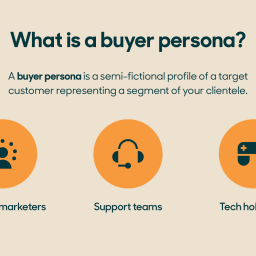
Forget generic personas. Today’s content mapping starts with:
- Search behavior
- Pain points
- Objections
- Decision triggers
Use analytics, CRM insights, AI-powered research tools, and real customer conversations to build living personas that evolve over time.
Step 2: Map the Real Buyer Journey (Hint: It’s Not Linear)
Today’s users:
- Jump between devices
- Revisit content multiple times
- Compare brands before ever contacting you
Your content map should reflect this reality — not a tidy funnel diagram from 2015.
Think in entry points, not just stages.
Step 3: Match Content to Each Stage of Intent
| Journey Stage | Content That Works |
|---|---|
| Awareness | Blog posts, SEO articles, social content |
| Consideration | Guides, email sequences, webinars |
| Decision | Case studies, comparison pages, demos |
| Retention | Tutorials, newsletters, updates |
Step 4: Use AI Tools Strategically (Not Blindly)
AI can help with:
- Topic ideation
- Content clustering
- Performance insights
- Personalization at scale
But the strategy comes first. AI enhances your content map — it doesn’t replace it.
At ONEWEBX, we design systems where AI supports clarity, consistency, and conversion.
Step 5: Measure, Optimize, Repeat
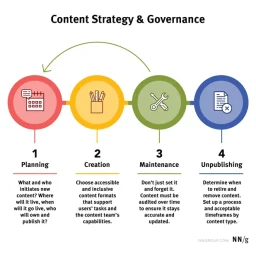
Your content map is a living framework.
Track:
- Engagement by journey stage
- Conversion paths
- Content drop-off points
Then refine. The best strategies evolve with real data — not assumptions.