

Today, search engines are powered by AI-driven language models, semantic understanding, and user intent analysis. Google doesn’t just scan your page for keywords anymore — it understands meaning, context, and relationships between ideas.
That’s where LSI keywords (Latent Semantic Indexing keywords) — or more accurately, semantic keywords — still play a critical role in modern SEO.
And no, LSI keywords aren’t dead. They’ve just grown up.
Let’s break down what they really mean today and how you can find and use them effectively without outdated tactics or guesswork.
What Are LSI Keywords (Really)?
Despite the name, Google doesn’t technically use “Latent Semantic Indexing” anymore. But the concept still matters.
LSI keywords = contextually related terms that help search engines understand what your content is actually about.
Relevant semantic keywords might include:
- UX/UI best practices
- responsive layouts
- conversion-focused design
- accessibility standards (WCAG)
- page speed optimization
- mobile-first websites
Using these naturally helps search engines confirm your expertise and relevance — without keyword stuffing.
Why LSI Keywords Matter More Than Ever in 2026
Search engines now prioritize:
- Search intent
- Topical authority
- User experience signals
- Content depth and clarity
AI-powered algorithms don’t just ask “Does this page include the keyword?”
They ask “Does this page fully solve the user’s problem?”
Semantic keywords help you:
- Rank for more long-tail searches
- Improve on-page SEO naturally
- Increase dwell time and engagement
- Align with AI-driven search results (including Google’s AI Overviews)
In short: They help your content sound human — which AI rewards.
5 Easy (and Modern) Ways to Find LSI Keywords
1. Use Google Search Autocomplete (Still Gold)
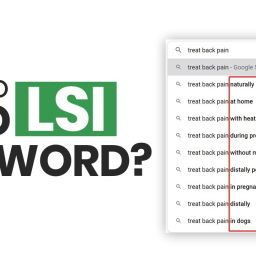
Start typing your main keyword into Google and let autocomplete do the work.
Google suggestions reflect real user searches happening right now.
Pro tip:
Try variations like:
- “how to…”
- “best…”
- “for beginners”
- “vs”
These reveal intent-driven keyword opportunities you can weave into headings and body copy.
2. Analyze “People Also Ask” & Related Searches
Scroll down the SERP and you’ll find two SEO goldmines:
- People Also Ask
- Related Searches
These questions and phrases expose:
- User concerns
- Subtopics you should address
- Natural semantic keyword opportunities
If Google keeps asking the same questions, it’s telling you what must be covered to rank.
3. Use Modern SEO Tools (Alexa Alternatives)
Since Alexa has been discontinued, today’s best tools for semantic keyword research include:
- Semrush – Topic clusters, keyword intent, SERP analysis
- Ahrefs – Content gap analysis and parent topics
- Surfer SEO – AI-driven content structure recommendations
- Moz – Keyword suggestions with semantic relevance
- Google Search Console – Real performance data from your own site
These tools show you what Google already associates with your topic — which is far more valuable than guessing.
4. Let AI Do the Heavy Lifting (Smartly)
AI tools like:
- ChatGPT
- Jasper
- Claude
- Surfer AI
…can help generate semantic keyword ideas fast.
But here’s the key:
Use AI as a research assistant, not a content replacement.
Then edit, refine, and humanize the output. Google rewards originality, expertise, and real insight — not raw AI text.
5. Reverse-Engineer Top-Ranking Content
Open the top 5 results for your main keyword and look for patterns:
- Common subheadings
- Repeated phrases
- Shared concepts
If multiple high-ranking pages discuss the same ideas, those are mandatory semantic signals.
This isn’t copying — it’s understanding topical expectations.
How to Use LSI Keywords Without Killing Your Content
Use semantic keywords in:
- Headings (H2s & H3s)
- Image alt text
- Meta descriptions
- Internal links
- Natural body copy
If it sounds forced, it is forced — and Google will notice.
The ONEWEBX Takeaway
LSI keywords aren’t a trick — they’re a reflection of how people actually think, search, and read.
Modern SEO success comes from:
- Clarity over clutter
- Depth over density
- Strategy over shortcuts