
In 2026, KPIs are more important than ever. With AI-powered analytics, multi-channel campaigns, and hyper-personalized marketing, tracking the right metrics is the difference between growth and wasted effort.
What Exactly Is a Marketing KPI?
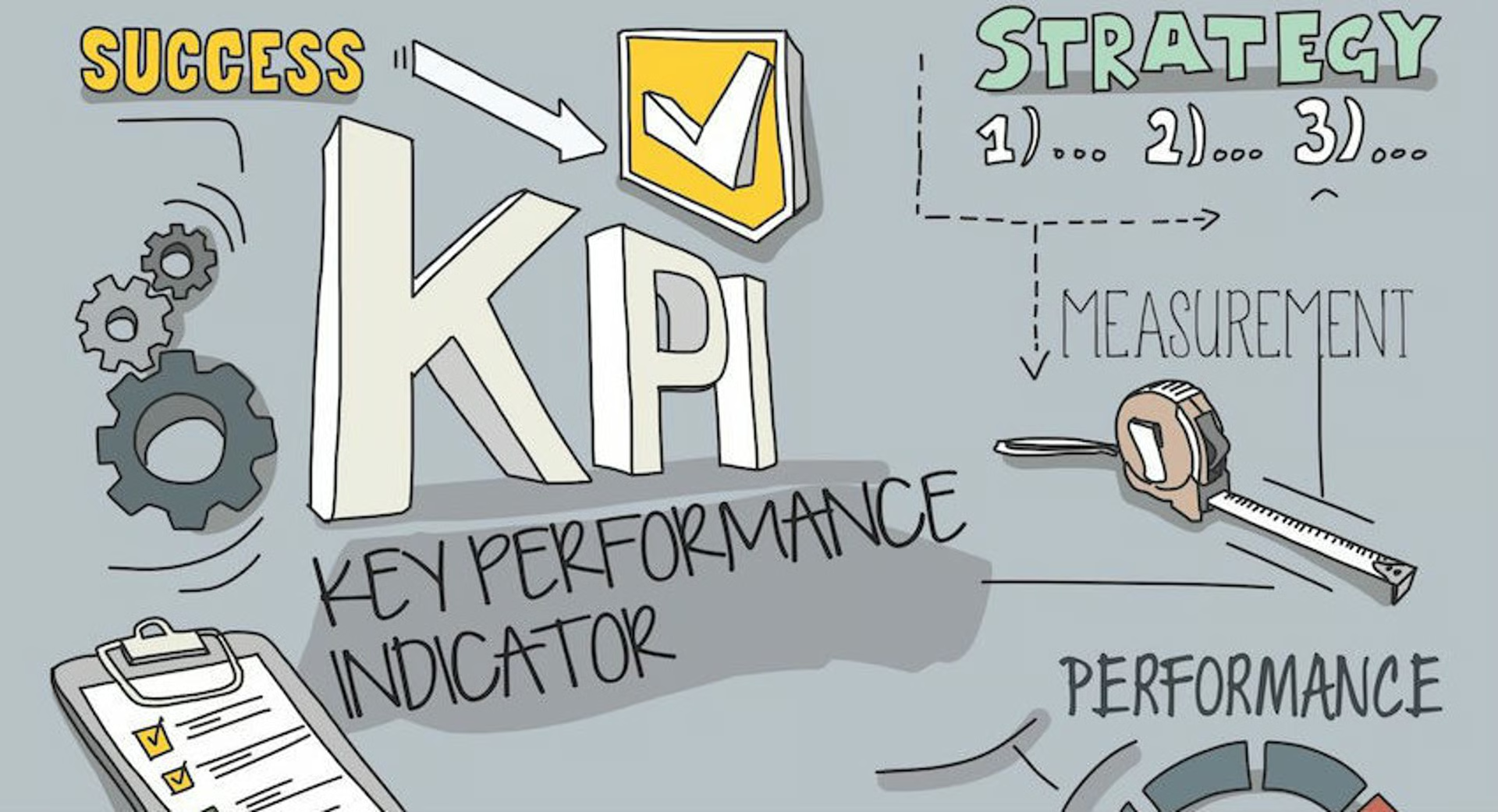
A marketing KPI is a measurable value that shows how effectively your marketing efforts achieve your business goals. They can track everything from website traffic to customer engagement, sales, and even brand sentiment.
How to Choose the Right KPIs
Not all KPIs are created equal. The key is to pick metrics that are:
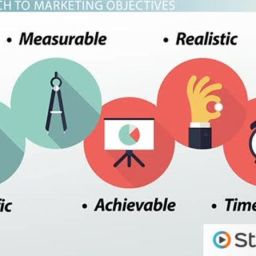
- Aligned with your goals – Are you aiming for leads, sales, or brand awareness?
- Measurable – Avoid vague metrics; stick to numbers you can track.
- Actionable – A KPI should guide decisions, not just look pretty in a dashboard.
17 KPIs Every Marketer Should Track in 2026
Here’s the modern KPI toolkit for small businesses and corporate marketers alike:
Traffic & Awareness KPIs
- Organic Traffic – How many people find you via search engines.
- Direct Traffic – Visitors who type your URL directly—shows brand recognition.
- Referral Traffic – How well other websites are sending people your way.
- Social Media Reach – Potential audience size across platforms.
- Brand Mentions & Sentiment – Track AI-powered sentiment analysis to gauge public perception.
Engagement KPIs
- Click-Through Rate (CTR) – How compelling are your emails, ads, or CTAs?
- Time on Page / Dwell Time – Are visitors reading your content or bouncing?
- Pages per Session – Measure how deeply users explore your site.
- Social Shares & Comments – Engagement beyond just likes.
- Video Completion Rate – Crucial if video is part of your content strategy.
Conversion & Sales KPIs
- Conversion Rate – Percentage of visitors taking your desired action.
- Cost per Acquisition (CPA) – How much you spend to acquire a customer.
- Lead-to-Customer Ratio – Tracks how leads become paying clients.
- Average Order Value (AOV) – Measures the revenue per transaction.
- Customer Lifetime Value (CLV) – How much revenue a customer brings over time.
Retention & Loyalty KPIs
- Churn Rate – Percentage of customers who stop engaging or buying.
- Net Promoter Score (NPS) – How likely your customers are to recommend you.
Why KPIs Matter More Than Vanity Metrics
Likes, followers, and impressions are nice, but they don’t pay the bills. KPIs tie every action to real business outcomes, helping you:
- Focus on strategies that drive ROI
- Identify underperforming campaigns quickly
- Make data-driven decisions instead of guessing
Tools to Track Your KPIs in 2026
- Google Analytics 4 – Essential for web and e-commerce tracking
- HubSpot / Salesforce Marketing Cloud – Full-funnel analytics and automation
- Semrush / Ahrefs – SEO and traffic insights
- Zoho Analytics – Custom dashboards and KPI monitoring
- AI-Powered Dashboards – Tools like PaveAI or Whatagraph turn raw data into actionable insights