

In today’s AI-powered ad ecosystem—where platforms automate bidding, targeting, and creative—the real advantage comes from understanding why someone is searching, not just what they searched.
Let’s unpack how modern B2B PPC actually works—and how intent-driven strategy turns ad spend into sales conversations.
Why B2B PPC Looks Completely Different Today
Modern PPC platforms (Google Ads, LinkedIn Ads, and programmatic networks) now rely heavily on:
- AI-driven bidding and audience modeling
- Privacy-first data signals (less third-party tracking)
- First-party data and contextual targeting
- UX signals after the click—not just the click itself
Translation:
You can’t brute-force B2B leads anymore. You have to earn them.
The Real B2B PPC Funnel (Spoiler: It’s Not Linear)
B2B buyers:
- Research quietly
- Compare extensively
- Involve multiple decision-makers
- Take longer to convert
Your PPC strategy must meet buyers at different intent levels—not push everyone toward a demo on day one.
The Core Secret: Buyer Intent Segmentation
Not all clicks are equal.
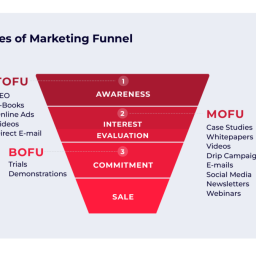
Low-Intent Keywords (Awareness)
Examples:
- “What is enterprise CRM?”
- “B2B marketing trends”
Use these for:
- Thought leadership
- Educational content
- Retargeting pool building
Mid-Intent Keywords (Consideration)
Examples:
- “Best CRM for SaaS companies”
- “Marketing automation tools comparison”
Use these for:
- Guides
- Case studies
- Webinars
- Email capture
High-Intent Keywords (Decision)
Examples:
- “CRM software pricing”
- “Marketing automation demo”
These are your revenue drivers.
Send them to:
- Focused landing pages
- Clear value propositions
- Low-friction conversion paths
How AI Has Changed PPC (and How to Use It Properly)
AI is now baked into every major ad platform.
Smart marketers use AI to:
- Optimize bids and budgets
- Test ad variations faster
- Identify audience patterns
- Improve Quality Score signals
But here’s the catch:
AI amplifies strategy—it doesn’t replace it.
Bad intent targeting + AI = faster waste.
PPC Lead Generation Best Practices That Actually Work
1. Intent-First Keyword Strategy
Use tools like Semrush, Ahrefs, Google Ads Keyword Planner, and Google Search Console to:
- Identify high-conversion terms
- Exclude low-value traffic
- Prevent keyword cannibalization
2. Match Ads to the Buyer’s Stage
One ad → one intent → one clear next step.
If your ad promises “enterprise scalability” but your landing page screams “free trial,” you’ve already lost trust.
3. Design Landing Pages for Humans, Not Platforms
High-performing B2B PPC pages:
- Load fast
- Focus on one goal
- Remove navigation distractions
- Clearly explain why you’re different
- Build trust quickly (logos, proof, clarity)
This is where UX and PPC collide—and where ONEWEBX excels.
4. Respect Privacy (It’s a Conversion Factor Now)
With tighter privacy regulations and consent requirements:
- Use first-party data responsibly
- Be transparent about data use
- Avoid aggressive retargeting
Trust increases conversion rates. Period.
5. Measure What Matters (Not Just Leads)
Track:
- Lead quality
- Sales-qualified leads (SQLs)
- Cost per opportunity
- Conversion paths—not just last clicks
Modern PPC success lives beyond dashboards.
The ONEWEBX Approach to B2B PPC
We don’t run ads in isolation.
At ONEWEBX, PPC lives inside a conversion ecosystem:
- Intent-driven keyword strategy
- AI-assisted optimization
- UX-first landing page design
- Ethical, privacy-aware tracking
- Continuous testing and refinement
That’s how clicks turn into conversations—and conversations into clients.