

In 2026, these strategies aren’t just buzzwords — they’re precision tools for boosting conversions, reclaiming lost leads, and delivering highly personalized experiences. And thanks to AI and smarter ad platforms, the line between them is sharper than ever.
Here’s what every modern marketer and business owner needs to know.
Retargeting vs. Remarketing: The Core Difference
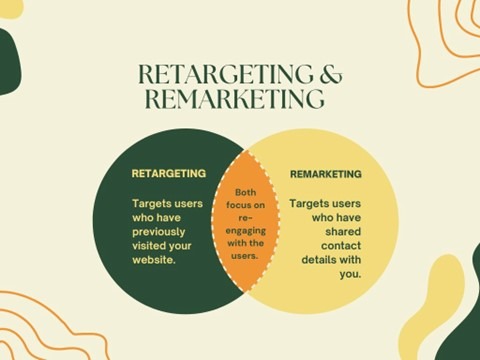
The distinction often confuses people because the two concepts overlap. Here’s the simplified breakdown:
| Term | Definition | How It’s Typically Done |
|---|---|---|
| Retargeting | Targets users based on behavior (visiting a website, clicking on a product, abandoning a cart) | Usually via display ads or social media ads powered by pixel tracking |
| Remarketing | Targets users via email campaigns or CRM-based communication after initial engagement | Email sequences, push notifications, app messages |
Think of it this way: retargeting is paid ads chasing visitors, while remarketing is strategic follow-up through owned channels.
In practice, both strategies should work together for maximum ROI.
Why the Distinction Matters in 2026
Modern digital behavior is fragmented:
- Users switch devices mid-journey
- AI-powered search snippets compete for attention
- Privacy rules (GDPR, CCPA) limit cookie use
If your strategy doesn’t reflect these realities:
- You waste ad spend
- You miss re-engagement opportunities
- You fail to personalize at scale
Behavior-driven segmentation, powered by AI tools like SEMrush, HubSpot Marketing Hub, or Google Analytics 4, allows you to track users across touchpoints safely and effectively — even with stricter privacy measures.
How Retargeting Works
Retargeting focuses on behavioral triggers:
- Product page views without purchase
- Abandoned shopping carts
- Downloads or free trial sign-ups
Tech stack today includes:
- AI-driven ad platforms (Google Ads, Meta Ads) that automatically segment and serve personalized creatives
- Dynamic product ads that update automatically based on what users browsed
- Predictive models to determine the likelihood of conversion
Example: A visitor browses a luxury camera on your site. Within hours, AI dynamically serves a carousel ad featuring that camera and complementary gear across Instagram, Facebook, and YouTube.
How Remarketing Works
Remarketing leverages owned channels to bring users back:
- Email sequences for abandoned carts or trial sign-ups
- Push notifications for app users
- Personalized SMS campaigns
AI now enables behavior-triggered email flows that adapt in real time:
- Subject lines and copy adjust based on engagement
- Offers are personalized to predicted intent
- Send times optimize for each user’s behavior
Remarketing isn’t just follow-up — it’s relationship building at scale.
Why Using Both Together Creates Synergy
- Retargeting re-engages users in the moment
- Remarketing nurtures users over time
- AI allows for predictive sequencing, serving the right message at the right time
Example:
- User visits your software pricing page → retargeted with a display ad featuring a limited-time offer
- They don’t convert → remarketing email triggered with a case study or testimonial
- User re-engages → AI-driven ad serves a personalized demo offer
The result? Higher conversions, better ROI, and more loyal customers.
Best Practices for 2026
- Respect Privacy – First-party data and consent-based tracking are essential
- Use AI for Personalization – Dynamic creatives, predictive scoring, and automated sequencing
- Segment Your Audience – Not all visitors are equal; separate high-intent users from casual browsers
- Optimize Across Channels – Combine display, social, email, and push notifications for omnichannel impact
- Test Continuously – AI can suggest what works, but A/B testing ensures you know for sure
Common Mistakes to Avoid
- Treating retargeting and remarketing as interchangeable
- Serving generic ads without behavioral insight
- Ignoring multi-device behavior
- Over-emailing without personalization
- Failing to analyze performance with actionable metrics
The ONEWEBX Advantage
At ONEWEBX, we combine:
- AI-powered audience segmentation
- Conversion-focused ad creatives
- Behavioral analytics for predictive targeting
- Integrated remarketing campaigns across email, SMS, and push
- UX and landing page optimization for higher ROI