

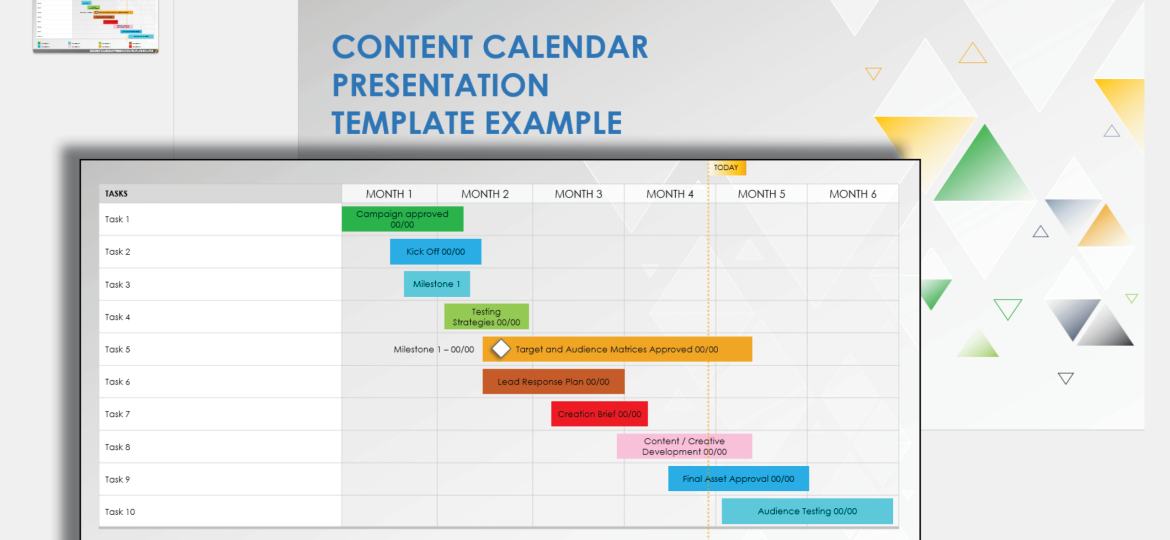
Let’s build one that actually works in 2026.
Why a Content Calendar Is No Longer Optional
In today’s digital landscape:
- Search engines reward consistency and topical authority
- Social algorithms prioritize engagement velocity
- AI-generated search summaries pull structured answers
- Audiences expect personalized, relevant messaging
You can’t “wing it” anymore.
Platforms like Google, Instagram, and LinkedIn favor brands that show up consistently with intent.
And consistency requires structure.
What a Modern Content Calendar Must Include
A 2018 spreadsheet won’t cut it today.
Your calendar must integrate:
Strategic Alignment
Each piece of content should connect to:
- A business goal (leads, sales, awareness)
- A specific audience segment
- A funnel stage
If you can’t explain why a piece exists, don’t publish it.
SEO & Search Intent Mapping
Modern SEO isn’t about stuffing keywords — it’s about answering intent.
Use tools like:
- SEMrush
- Ahrefs
- Google Search Console
These platforms help you:
- Identify keyword clusters
- Track competitor gaps
- Monitor ranking performance
- Discover AI-driven search trends
Your calendar should include:
- Primary keyword
- Search intent (informational, transactional, etc.)
- Internal linking targets
- CTA goal
AI Workflow Integration
AI is no longer optional in content operations.
Tools like:
- Notion (AI-assisted planning)
- Trello
- Asana
Combined with AI writing and ideation tools, can:
- Generate topic briefs
- Outline blog structures
- Repurpose long-form content
- Suggest headline variations
- Analyze tone consistency
But here’s the key:
AI assists.
Humans strategize.
At ONEWEBX, we use AI as a co-pilot — not a replacement.
The ONEWEBX High-Performance Content Calendar Template
Here’s the structure we recommend for small teams and growing businesses:
Core Columns to Include
| Column | Purpose |
|---|---|
| Publish Date | Ensures consistency |
| Content Type | Blog, Reel, Email, Landing Page |
| Funnel Stage | Awareness / Consideration / Conversion |
| Target Persona | Specific audience segment |
| Focus Keyword | SEO clarity |
| Search Intent | Aligns with ranking goals |
| Primary CTA | What action should happen? |
| Owner | Accountability |
| Status | Idea / Draft / Review / Scheduled |
| Repurposing Plan | Where else will this live? |
| Performance Metrics | CTR, traffic, conversions |
Simple. Strategic. Scalable.
Why This Saves Time for the Whole Team
Without structure:
- Writers wait on direction
- Designers guess at visuals
- Marketers scramble for assets
- Leadership questions ROI
With structure:
- Everyone sees the roadmap
- AI accelerates execution
- SEO builds long-term growth
- Reporting becomes measurable
Time saved = money saved.
And clarity reduces burnout (hugely underrated benefit).
Personalization & Privacy: The 2026 Reality
Content calendars now must consider:
- GDPR and evolving privacy regulations
- First-party data strategies
- Personalized email journeys
- Behavior-triggered automation
Your calendar should note:
- Data capture strategy
- Automation sequences connected to each content piece
- Retargeting opportunities
Marketing isn’t just publishing anymore.
It’s ecosystem design.
Repurposing: The Secret Growth Multiplier
One blog post should become:
- 3–5 social posts
- 1 email newsletter
- 1 short-form video
- 1 LinkedIn article
- SEO-optimized landing support
Platforms like YouTube and TikTok reward native, consistent posting.
Your calendar should plan repurposing before publishing — not after.
Common Mistakes We Still See
Planning content without keyword research
Publishing without a CTA
Ignoring analytics
No accessibility considerations (alt text, contrast, readability)
Treating AI like a magic wand
Strategy beats volume. Every time.
The Bigger Picture: Your Calendar Reflects Your Brand Discipline
A scattered calendar usually means a scattered digital presence.
A strategic calendar signals:
- Authority
- Professionalism
- Growth readiness
- Competitive intelligence
At ONEWEBX, we design content systems that integrate:
- SEO architecture
- UX-driven design
- Conversion optimization
- Automation workflows
- AI-assisted productivity