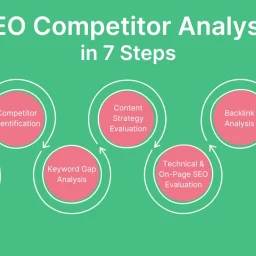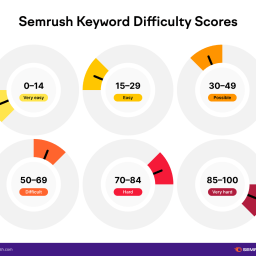


Analyzing your competitors’ keywords is strategic, data-driven, and downright necessary. Today’s free and premium SEO tools do more than list keywords — they reveal intent, search volume, engagement potential, and even AI-driven content opportunities.
This isn’t just about ranking; it’s about understanding your audience better than your competitors do.
Step 1: Identify Your True Competitors
Before you dive into keywords, define who you’re actually competing with. Don’t just focus on obvious names — include:
- Industry peers in your niche
- Businesses ranking for your target terms
- Emerging brands with growing search authority
Tools to use:
- SEMrush Free / Paid – to see organic competitors
- Ahrefs Webmaster Tools – to discover keyword overlaps
- Google Search Console – to track who outranks you for existing terms
Step 2: Audit Their Top-Performing Keywords
Once you know your competitors, analyze which keywords drive the most traffic to their sites:
- Identify high-volume, low-competition opportunities
- See which content formats (blog posts, product pages, videos) perform best
- Spot seasonal or trending keywords
Pro tip: AI-enhanced tools like Surfer SEO and Clearscope can cluster these keywords into thematic groups, giving you smarter content ideas without manual guesswork.
Step 3: Analyze Keyword Intent
Not all keywords are created equal. Understanding intent is crucial:
- Informational – Users seeking knowledge (blogs, tutorials)
- Transactional – Users ready to buy (product pages, landing pages)
- Navigational – Users searching for a brand or site
Your competitor analysis should reveal which intent drives engagement and conversion. Targeting keywords without intent alignment is a traffic trap.
Step 4: Check Backlink and Authority Signals
Keywords alone won’t win you Google’s favor. Look at:
- Which pages get the most backlinks
- Domain authority vs. page authority
- Social shares and engagement
Free tools like Ubersuggest or Ahrefs Webmaster Tools can help you map keyword authority opportunities, showing where your content could realistically outrank competitors.
Step 5: Spot Gaps and Opportunities
Competitor analysis is about finding gaps, not copying:
- Which relevant topics haven’t been covered?
- Which long-tail keywords are underserved?
- Where can you offer better UX, accessibility, or content depth?
AI tools now allow you to predict content performance before publishing, helping you prioritize topics that actually drive clicks, leads, and conversions.
Step 6: Build Your Content & SEO Strategy
Once your competitor keywords are mapped:
- Prioritize by intent, volume, and difficulty
- Align content to your brand’s voice and UX standards
- Optimize for accessibility, mobile speed, and semantic SEO
- Monitor performance and iterate
The modern twist: use AI for continuous optimization, content clustering, and automated reporting. This keeps your strategy dynamic instead of static.