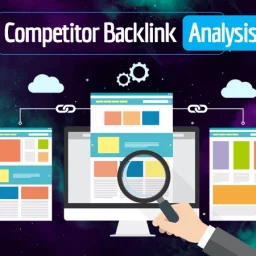

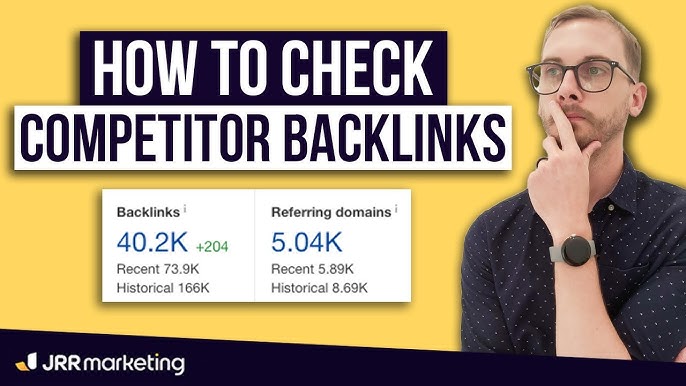
In 2026, discovering your competitors’ backlinks isn’t just about chasing links—it’s about intelligence, strategy, and using AI-powered SEO tools to uncover opportunities, build relationships, and boost your own site authority.
Here’s how ONEWEBX helps businesses turn competitor backlink analysis into actionable growth.
1. Use Ahrefs for a Bird’s-Eye View
Ahrefs is still the gold standard for backlink analysis. Start by:
- Entering a competitor’s domain in Site Explorer
- Sorting backlinks by domain authority, traffic value, and relevance
- Identifying lost or broken backlinks that could be reclaimed
Pro tip: Look for patterns—are multiple competitors getting links from industry blogs, news sites, or partner networks? This signals high-value link sources worth pursuing.
2. Explore SEMrush’s Backlink Analytics
SEMrush lets you:
- See competitor backlink profiles side-by-side
- Discover new referring domains that are actively linking to your niche
- Track changes over time with backlink monitoring alerts
Modern feature alert: SEMrush now uses AI-assisted link quality scoring, helping you prioritize link prospects based on authority and traffic potential rather than sheer volume.
3. Leverage Moz Link Explorer
Moz is excellent for a fresh perspective on competitor backlinks:
- Use the Spam Score to filter out toxic or low-value links
- Identify anchor text patterns to inform your content strategy
- Discover link-building opportunities in complementary niches
This helps ensure your own link-building stays high-quality and sustainable, avoiding any search engine penalties.
4. Identify Guest Post Opportunities
By analyzing competitor backlinks, you can spot:
- Sites that accept guest posts
- Industry-specific publications open to collaboration
- Content gaps where your expertise could fill a need
Pro tip: Combine AI tools like ChatGPT or Jasper with these insights to generate personalized outreach emails and blog topic suggestions for potential backlink targets.
5. Monitor Broken Backlinks
Broken backlinks are hidden gold mines. Tools like Ahrefs, SEMrush, and BrokenLinkCheck can reveal:
- Outdated pages still linking to competitor content
- Opportunities to pitch your own updated content as a replacement
Fixing broken links is a win-win—you help the site owner and gain a high-quality backlink.
6. Analyze Social & PR Mentions
Some backlinks aren’t obvious in traditional tools. Look for:
- Mentions in news articles, press releases, or influencer posts
- AI-powered tools like Brand24 or Mention to detect unlinked mentions
- Opportunities to request link insertion or collaboration
Pro tip: In 2026, link-building is as much about relationships as it is about technical SEO. A thoughtful outreach can turn a brand mention into a solid backlink.
7. Use Competitor Link Intersect Tools
Ahrefs and SEMrush both offer link intersect features—this lets you:
- See sites linking to multiple competitors but not your site
- Identify high-priority prospects for outreach
- Spot networks or communities that are valuable to your niche
This is a shortcut to discovering where the link equity is concentrated—and where your business belongs.
8. Track, Measure, and Iterate
Backlink strategy isn’t set-it-and-forget-it. Track:
- Number of referring domains gained
- Domain authority and traffic value of new backlinks
- Conversions or referral traffic from these links