

Today, SEO is a system, not a tactic—and it lives at the intersection of content, technology, user experience, and trust. Understanding the three core types of SEO (and how they now work together) is the difference between ranking occasionally and building long-term digital authority.
Let’s break them down—modern style.
Why SEO Isn’t “One Thing” Anymore
Search engines now evaluate:
- Intent, context, and behavior
- Page experience and accessibility
- Performance across devices
- Content credibility and freshness
- Ethical data use and transparency
In short: SEO is no longer siloed.
But it is still built on three essential pillars.
1. Technical SEO: The Invisible Foundation
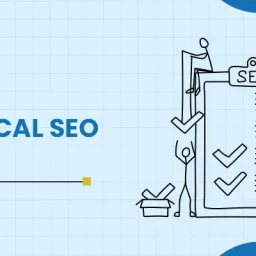
If your website were a building, technical SEO would be the plumbing and wiring. You don’t see it—but when it’s wrong, nothing works.
What Technical SEO Means Today
Modern technical SEO focuses on:
- Crawlability and indexability
- Site speed and performance
- Core Web Vitals
- Mobile-first architecture
- Security and privacy compliance
- Accessibility standards (WCAG)
How to Excel at Technical SEO
Use fast, reliable hosting
Optimize images with WebP or AVIF
Minimize JavaScript bloat
Pass Core Web Vitals benchmarks
Implement schema markup
Ensure HTTPS and secure data handling
Design with accessibility baked in—not bolted on
AI-powered tools like Google Search Console, Semrush, Ahrefs, and PageSpeed Insights now help identify issues faster—but strategy still requires human judgment.
Bottom line: If your site is slow, broken, or inaccessible, no amount of content will save it.
2. On-Page SEO: Where Content Meets Intent
On-page SEO is what most people think of first—but modern on-page SEO is less about keywords and more about clarity.
What On-Page SEO Looks Like Now
It’s about:
- Matching content to search intent
- Structuring pages for humans and AI
- Writing for scannability and answers
- Using semantic language—not repetition
- Optimizing for featured snippets and AI summaries
How to Excel at On-Page SEO
Write clear, intent-driven headlines
Use one focused topic per page
Answer key questions early
Use proper heading structure
Add internal links that guide users
Optimize images with descriptive alt text
Refresh content regularly
AI tools can assist with content optimization, but authentic voice and expertise still win—especially in competitive spaces.
3. Off-Page SEO: Trust, Authority, and Signals
Off-page SEO is no longer about how many links you have—it’s about who trusts you.
What Off-Page SEO Means Today
Search engines evaluate:
- Quality backlinks from relevant sources
- Brand mentions (linked or unlinked)
- Reviews and reputation signals
- Engagement across digital touchpoints
- Consistency and credibility over time
How to Excel at Off-Page SEO
Earn links through value, not outreach spam
Publish authoritative, shareable content
Build partnerships and PR opportunities
Encourage authentic reviews
Show up consistently across platforms
This is where SEO overlaps with branding and PR—and why shortcuts backfire.
The Real Secret: SEO Works Best When It’s Unified
The biggest SEO mistake we see?
Treating these three areas as separate tasks.
At ONEWEBX, we design SEO as a connected system:
- Technical SEO supports performance and accessibility
- On-page SEO delivers clarity and relevance
- Off-page SEO builds authority and trust
When all three work together, rankings follow naturally.
Why ONEWEBX Gets SEO Right
We don’t chase algorithm updates—we design for resilience.
Our approach combines:
- AI-assisted analysis with human strategy
- UX/UI design that supports SEO—not fights it
- Ethical, privacy-aware data practices
- Ongoing optimization—not one-time fixes
That’s how we help businesses grow visibility and confidence in a fast-changing digital world.