
Here’s your 2026 primer to get started.
What Is Conversational Marketing?
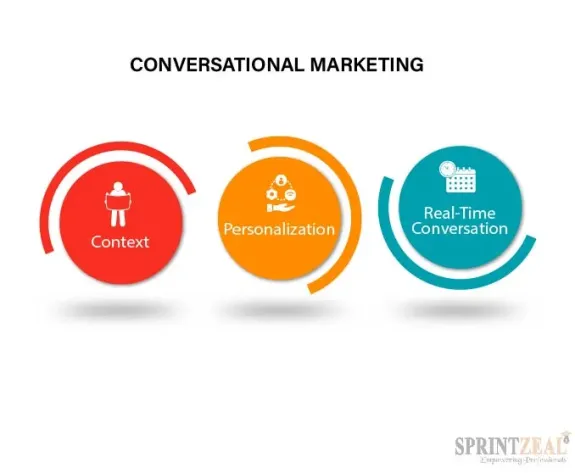
Conversational marketing is the practice of using two-way communication tools to engage customers personally and in real time. This includes:
- Live chat and AI chatbots
- Personalized messaging on websites or apps
- Interactive social media campaigns
- Messaging through platforms like WhatsApp, Messenger, or SMS
The goal: reduce friction, answer questions instantly, and guide customers down the funnel without the awkward delays of traditional marketing.
Why Marketing and Sales Teams Need It
- Faster Lead Qualification – Real-time chat can ask the right questions and segment leads instantly, saving sales teams precious time.
- Improved Customer Experience – Buyers expect answers now; conversational tools meet that expectation.
- Seamless Handoff to Sales – Marketing collects insights during the chat, giving sales the context they need to close deals.
- Higher Conversion Rates – Personalized conversations outperform generic landing pages or automated email sequences.
Fun fact: Companies using conversational marketing report up to 3x faster response times and significantly higher engagement rates.
Core Components of Conversational Marketing in 2026
1. AI Chatbots With a Human Touch
Modern AI chatbots powered by tools like HubSpot Conversations, Drift, or Intercom can:
- Answer FAQs
- Qualify leads
- Recommend products or content
- Escalate complex inquiries to human reps
The trick: keep the tone human, so customers feel like they’re talking to a person—not a script.
2. Personalized Messaging
Leverage first-party data and AI insights to:
- Greet visitors by name
- Suggest relevant products or content
- Tailor CTAs based on past behavior
Pro tip: Avoid creepy over-personalization; context and relevance matter more than having every detail.
3. Omnichannel Conversations
Your audience doesn’t live on a single platform. Conversational marketing should flow across:
- Website chat
- Social DMs and comments
- Email or SMS messaging
- Voice assistants or AI-powered voice bots
Consistency is key: the conversation should feel connected, not disjointed.
4. Real-Time Analytics & Optimization
Conversational marketing isn’t set-it-and-forget-it. Track metrics like:
- Response time
- Engagement rate
- Lead-to-opportunity conversion
- Customer satisfaction scores
AI dashboards can reveal patterns, suggest improvements, and even test conversation flows automatically.
Best Practices for Marketing + Sales Teams
- Collaborate early: Marketing designs the conversation, sales defines qualification criteria.
- Use conversational triggers wisely: Don’t annoy visitors—deploy chat only when contextually relevant.
- Train your team on tone and empathy: Chatbots are smart, but humans seal the deals.
- Respect privacy: Compliance with GDPR, CCPA, and other privacy laws is non-negotiable.
Example Conversational Campaigns
- Lead Qualification on a SaaS Site
- Chatbot asks questions to segment users
- Qualified leads are sent directly to sales
- Result: 40% faster lead follow-up
- Product Recommendations for E-Commerce
- AI chatbot suggests items based on browsing history
- Follow-up message with discount code
- Result: 25% increase in add-to-cart conversions
- Customer Support + Upsell
- Live chat resolves support issues in real time
- Suggests complementary products or upgrades
- Result: Higher satisfaction and repeat purchase
The ONEWEBX Approach
At ONEWEBX, we help teams build conversational marketing systems that actually convert:
- Integrating AI chatbots with sales CRM
- Designing seamless conversational workflows
- Personalizing messaging at scale without losing human warmth
- Optimizing campaigns using real-time analytics
Because in 2026, conversation is currency—and your team needs to speak it fluently.