
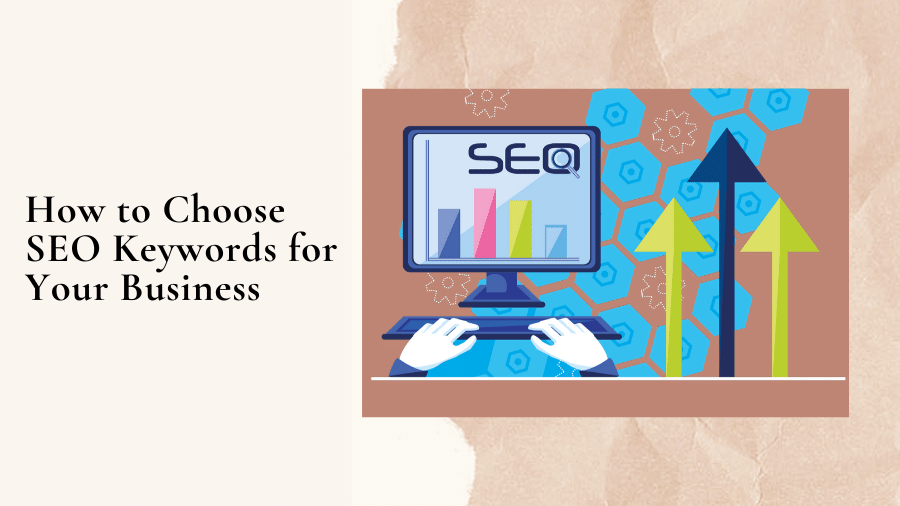
You can now choose SEO keywords with clarity, confidence, and strategy—if you know what actually matters.
Why Keyword Selection Is No Longer About “Big Numbers”
High search volume looks impressive in a report—but it rarely tells the full story.
Modern SEO prioritizes:
- Search intent
- Topical relevance
- User experience
- Authority signals
- Conversion potential
In other words:
The best keyword isn’t the one with the most traffic—it’s the one that attracts the right visitor.
Step One: Start With Intent, Not Tools
Before opening any SEO platform, ask a human question:
What is someone trying to accomplish when they search this?
Are they:
- Learning?
- Comparing options?
- Ready to buy?
- Looking for a provider?
A keyword like “SEO” is vague.
“SEO services for small businesses” tells a story.
Confidence comes from understanding that story.
The Three Keyword Intent Types You Must Balance
1. Informational Keywords
Great for trust and authority:
- “What is technical SEO?”
- “How does keyword research work?”
2. Commercial Keywords
Perfect for consideration-stage content:
- “Best SEO tools for agencies”
- “SEO vs PPC for small businesses”
3. Transactional (Buyer) Keywords
Where conversions happen:
- “SEO consultant pricing”
- “Hire SEO agency near me”
A confident keyword strategy intentionally mixes all three.
Step Two: Let AI Help You Think Bigger (Not Lazier)
AI tools don’t replace keyword strategy—they expand your perspective.
Used properly, AI can:
- Surface long-tail keyword variations
- Reveal semantic relationships
- Identify missing subtopics
- Predict intent shifts
- Analyze SERP patterns faster
Tools like Google Search Console, Ahrefs, SEMrush, and AI copilots help you see context, not just counts.
The trick is asking better questions—not blindly accepting suggestions.
Step Three: Evaluate Keywords Like a Strategist, Not a Robot
When deciding if a keyword is worth targeting, ask:
- Does this keyword match our services or expertise?
- Could we realistically rank for it?
- Would the right customer click this?
- What page type does it deserve?
- Does it align with our conversion goals?
If the answer is unclear, the keyword probably is too.
Step Four: Match Keywords to the Right Pages
One of the most common SEO mistakes?
Trying to force one keyword to do everything.
Different keywords belong on different page types:
- Blog posts → informational + commercial
- Service pages → buyer keywords
- Landing pages → high-intent keywords
- Case studies → credibility-driven keywords
At ONEWEBX, we map keywords directly to UX structure and user journeys, not just URLs.
Step Five: Don’t Ignore Difficulty—But Don’t Fear It Either
Keyword difficulty matters—but it’s not a deal-breaker.
Smaller businesses can win by:
- Targeting niche or local variations
- Leveraging industry-specific language
- Creating deeper, more helpful content
- Delivering better UX and accessibility
Confidence comes from knowing where you can compete—not chasing unwinnable battles.
Step Six: Validate With Real Search Data
Once your keywords are live:
- Track impressions
- Monitor click-through rates
- Watch user behavior
- Measure conversions
Search data tells the truth—always.
The most confident SEO strategies are built on feedback loops, not assumptions.
The UX Factor Most Keyword Guides Ignore
Here’s the part that separates rankings from results.
If your page:
- Loads slowly
- Confuses users
- Hides CTAs
- Ignores accessibility
- Feels generic
No keyword in the world will save it.
Modern SEO confidence comes from aligning keywords, content, design, and experience into one cohesive system.