
If you’re a small business owner, marketer, or entrepreneur, this guide will give you a modern roadmap for building a demand generation strategy that attracts, nurtures, and converts leads into loyal customers.
What Is Demand Generation (Really)?
Demand generation, or “demand gen,” is the strategic process of creating awareness and interest in your products or services, guiding prospects through the buying journey, and turning that interest into measurable pipeline revenue.
Unlike lead generation, which focuses on quantity (more email addresses), demand generation focuses on quality, engagement, and intent-driven interactions.
Think of it as building an ecosystem that educates, nurtures, and converts simultaneously.
Why Demand Generation Matters in 2026
Digital marketing has matured. Customers are skeptical. Privacy regulations are tighter. AI is everywhere. In this environment:
- Awareness campaigns alone aren’t enough—you need meaningful engagement.
- Personalization is mandatory—generic campaigns underperform.
- Multi-channel orchestration matters—your audience is everywhere: web, email, social, chat, and even AI assistants.
Demand generation aligns marketing, sales, and customer experience into a single, data-driven flywheel.
Key Components of Modern Demand Generation
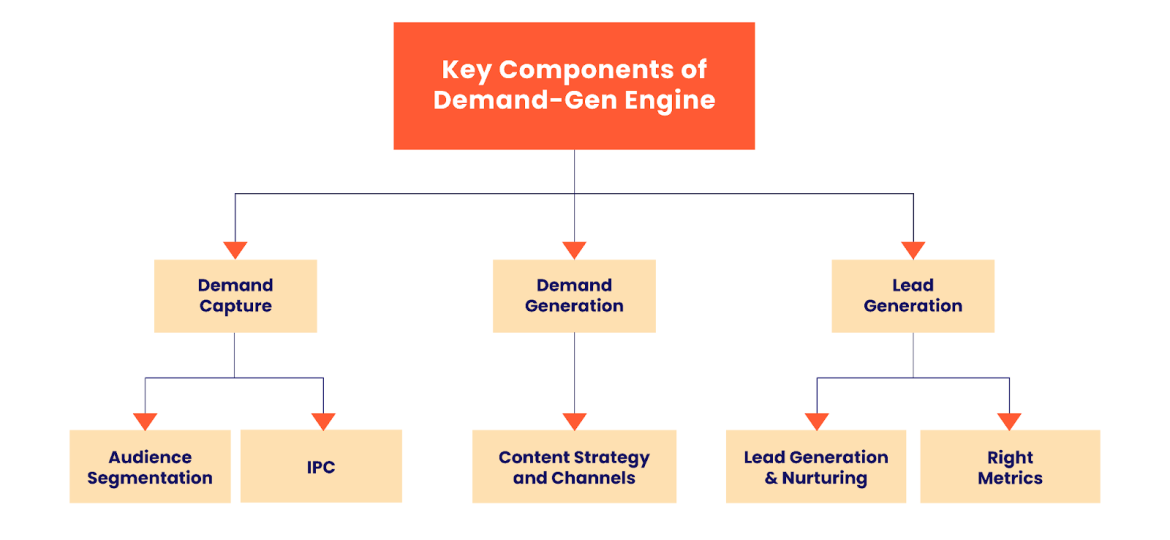
1️⃣ Audience Targeting and Segmentation
Not all leads are created equal. Segment by:
- Intent and behavior
- Firmographics (for B2B) or demographics (for B2C)
- Channel engagement
- Lifecycle stage
Tools like HubSpot, Marketo, and AI analytics platforms help refine your audience and predict conversion propensity.
2️⃣ Content Strategy That Drives Action
Content is your engine for awareness, education, and trust. In 2026:
- Long-form guides, videos, and interactive tools rank higher in AI-driven search.
- Educational and problem-solving content outperforms purely promotional messaging.
- AI-powered content ideation accelerates research and gap analysis—but human expertise ensures authenticity.
Example: A SaaS company might create a “Complete AI Automation Toolkit” guide that attracts leads and subtly integrates product solutions.
3️⃣ Multi-Channel Orchestration
Demand gen isn’t a single channel—it’s an ecosystem.
Key channels include:
- Organic search (SEO)
- Paid social and search
- Email and SMS campaigns
- Webinars, podcasts, and video content
- Retargeting and account-based marketing (ABM)
The secret? Each touchpoint reinforces the others, creating a consistent narrative that builds trust and intent.
4️⃣ Lead Nurturing and Scoring
Not every prospect is ready to buy. That’s where lead nurturing comes in:
- Personalized email journeys
- Dynamic content based on behavior
- AI-assisted predictive scoring to prioritize high-intent leads
This ensures your sales team focuses on the hottest leads, while marketing continues to educate the rest.
5️⃣ Data-Driven Measurement
Modern demand gen is highly measurable. Key metrics:
- Engagement rate across channels
- Conversion rates by lifecycle stage
- Pipeline contribution and revenue attribution
- ROI by campaign and channel
Analytics platforms like Google Analytics, HubSpot, and AI-driven dashboards help turn raw data into actionable insights.
6️⃣ Alignment With Sales
Marketing and sales alignment is critical. A shared understanding of:
- Lead quality
- Scoring thresholds
- Follow-up cadence
- Feedback loops
…ensures that demand generation campaigns translate into revenue, not just vanity metrics.
Modern Tactics That Boost Demand Gen
- AI Chatbots & Conversational Marketing: Engage prospects in real time and collect intent data.
- Interactive Content: Quizzes, calculators, and configurators increase engagement and qualification.
- Account-Based Marketing (ABM): Target high-value prospects with personalized campaigns.
- Video & Live Streaming: Higher engagement and retention, especially for B2B education.
- Influencer & Thought Leadership: Build authority and trust, boosting lead quality.