
Marketing used to be simple—or at least we thought it was. Spray some ads, post a few blogs, hope people notice. Fast forward to 2026, and marketing is a dynamic ecosystem where AI, personalization, privacy, and design all collide.
A strong marketing strategy isn’t just a plan—it’s a blueprint for growth, engagement, and conversion. Whether you’re a small business owner, entrepreneur, or corporate marketer, having a modern, data-driven strategy is your secret weapon.
This guide will break down Marketing Strategy 101 with a 2026 twist—practical, actionable, and designed to help you win in a fast-moving digital world.
1. Start with Your Business Goals
Every marketing strategy should answer one key question: What are we trying to achieve?
Start by connecting marketing objectives to business outcomes:
- Increase qualified leads
- Boost online sales
- Grow email subscribers
- Build brand awareness
- Strengthen customer retention
Pro Tip: Use SMART goals (Specific, Measurable, Achievable, Relevant, Time-bound) to make your objectives actionable. Modern AI dashboards in HubSpot, Google Analytics 4, or Tableau can help you track these goals in real-time.
2. Understand Your Audience
You can’t sell to everyone—nor should you try. In 2026, audience research is more sophisticated than demographics. Consider:
- Behavior & Interests: Where do they spend time online? What content formats do they consume?
- Pain Points & Goals: What problems are they trying to solve?
- AI & Tech Comfort Level: Are they early adopters or cautious users?
- Values & Ethics: Sustainability, inclusivity, and privacy can influence purchasing decisions
Use AI analytics and SEO tools like SEMrush, SurferSEO, or Ahrefs to uncover actionable insights, and create buyer personas to guide your campaigns.
3. Conduct a Digital Audit
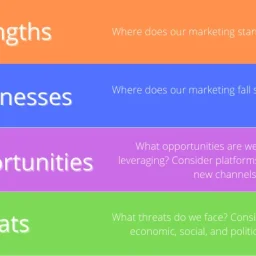
Before launching anything, know where you stand. A digital audit evaluates:
- Website performance and UX/UI
- Content quality and SEO ranking
- Social media presence and engagement
- Email and CRM performance
- Competitor strategies
Pro Tip: AI tools like ChatGPT, Jasper, or HubSpot Analytics can quickly summarize audit findings, highlight opportunities, and even suggest content or design improvements.
4. Define Your Channels and Tactics
Not all channels are created equal. Your strategy should be where your audience actually is. Key 2026 channels include:
- Content Marketing: Blogs, AI-generated articles, videos, podcasts
- Social Media: Instagram, LinkedIn, TikTok, X/Twitter—optimized with AI posting tools
- SEO & Organic Search: Using AI-assisted keyword research and on-page optimization
- Email & Marketing Automation: Personalized campaigns powered by AI
- Paid Ads: AI-driven PPC campaigns on Meta, Google, and LinkedIn
Pro Tip: Focus on omnichannel consistency. Your messaging should feel cohesive across every touchpoint.
5. Set Metrics and KPIs
Modern marketing is data-driven. Track what matters most:
- Website traffic and conversion rates
- Engagement metrics: shares, comments, dwell time
- Lead generation and email open rates
- ROI from paid campaigns
- Customer retention and lifetime value
AI-powered analytics can predict trends and suggest optimizations before you invest heavily.
6. Create a Content & Design Plan
Content and UX/UI design go hand-in-hand. To maximize impact:
- Align content with buyer personas
- Design for accessibility and mobile-first experiences
- Include visuals, videos, and interactive elements
- Optimize load speed, readability, and navigation
Pro Tip: Tools like Canva AI, Lumen5, and Figma can accelerate content creation while maintaining design consistency.
7. Implement, Monitor, and Optimize
A strategy isn’t a static document—it’s a living system.
- Launch campaigns in phases
- Monitor performance in real-time
- Adjust messaging, channels, or tactics as needed
- Use AI tools to simulate changes and forecast results
Pro Tip: Schedule weekly or monthly review sessions to keep your strategy nimble and responsive to trends.
8. ONEWEBX’s Approach to Marketing Strategy
At ONEWEBX, we don’t just write strategies—we turn them into measurable growth engines:
- Data-Driven Insights: AI analytics to identify high-impact opportunities
- UX/UI Optimized Experiences: Websites and content that convert
- Omnichannel Integration: Seamless messaging across social, email, SEO, and paid media
- Continuous Optimization: Iterative testing and AI-assisted improvement