

In today’s digital landscape, attention is limited, competition is relentless, and AI has fundamentally changed how people discover, evaluate, and trust brands. Targeting is no longer a marketing “tactic.” It’s the strategic foundation behind every website, campaign, and digital experience that actually converts.
At ONEWEBX, we see it constantly—businesses investing time and money into marketing that looks good on the surface but lacks direction underneath. The missing piece is almost always the same: clear, intentional targeting.
What Targeting Really Means Today
Targeting isn’t about guessing demographics or creating static buyer personas that never get revisited. In 2026, targeting is dynamic, data-informed, and experience-driven.
Modern targeting blends:
- Search intent and behavior patterns
- UX/UI interaction data
- First-party, privacy-compliant analytics
- AI-assisted insights and forecasting
- Contextual and personalized content delivery
With tools like Google Analytics 4, Google Search Console, Semrush, Ahrefs, SparkToro, and AI-powered analytics platforms, businesses can finally understand not just who their audience is—but why they behave the way they do.
And that understanding changes everything.
Why Targeting Matters More Than Ever
1. Attention Is Filtered by Algorithms
Your audience doesn’t simply “find” your brand anymore. Search engines, social feeds, and recommendation systems decide what gets visibility—and relevance is the deciding factor.
Targeted marketing aligns your message, content, and design with both human intent and algorithmic expectations, increasing visibility where it actually counts.
2. AI Has Raised the Experience Bar
AI is no longer a novelty—it’s the baseline.
Users now expect:
- Faster answers
- Smarter content
- Seamless digital experiences
At ONEWEBX, we use AI as a strategic support system, helping refine UX flows, content performance, conversion paths, and automation—while keeping human insight at the core.
AI doesn’t replace strategy. It exposes weak ones.
3. Privacy and Trust Are Part of the UX
With global privacy regulations and the continued decline of third-party cookies, businesses must rely on:
- First-party data
- Transparent consent
- Ethical personalization
Good targeting doesn’t invade privacy—it respects it. The brands that win long-term are those that build trust through clarity, accessibility, and honest digital experiences.
How to Include Targeting in Your Marketing Strategy
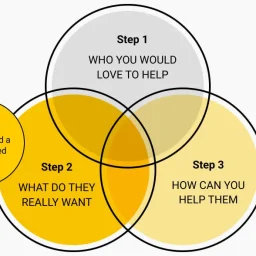
Step 1: Define Your Audience by Intent, Not Assumptions
Instead of asking, “Who is this for?”, ask:
- What problem is this person trying to solve right now?
- What’s preventing them from taking action?
- What outcome are they hoping for?
AI-assisted audience research and analytics reveal real behavioral patterns—so your messaging stays relevant as your audience evolves.
Step 2: Design the User Journey With Purpose
Targeting doesn’t stop at content—it lives inside your UX/UI design.
Every page, interaction, and call-to-action should guide users forward naturally. When experience design aligns with intent, conversions feel effortless—not forced.
This is where strategy meets design.
Step 3: Create Content for Intent, Not Just Keywords
SEO today is about alignment, not volume.
Using modern SEO tools and AI-assisted content analysis, businesses can:
- Identify high-intent search opportunities
- Match content depth to user expectations
- Answer real questions clearly and confidently
Search engines now reward usefulness, credibility, and experience—not keyword stuffing.
Step 4: Personalize Without Overdoing It
Personalization works best when it feels helpful—not invasive.
Dynamic CTAs, segmented journeys, and adaptive content should:
- Be powered by consent-based data
- Support the user’s decision-making process
- Enhance clarity, not complexity
Restraint is what separates smart personalization from noise.
Targeting Is Not a One-Time Task
Markets shift.
Audiences mature.
Technology evolves.
Targeting is an ongoing process—an optimization loop that requires testing, refinement, and strategic oversight. This is where experience makes the difference.
Why ONEWEBX Leads With Strategy
At ONEWEBX, we don’t just build websites—we build digital ecosystems designed to convert.
Our approach combines:
- Advanced audience targeting
- AI-powered insights and automation
- UX/UI and accessibility best practices
- SEO and conversion optimization
- Privacy-first, future-ready design
Because visibility without relevance is wasted potential.
The most effective marketing doesn’t shout louder—it speaks clearer.
When you understand your audience, design for intent, and use technology strategically, your digital presence becomes a business asset—not just an online placeholder.