

In 2026, content doesn’t underperform because it lacks effort. It underperforms because it lacks direction.
That’s where modern content exploration tools come in. These platforms don’t just tell you what is ranking—they help you understand why, for whom, and what to do next.
Used correctly, they turn content creation from guesswork into a repeatable growth system.
What Is a Content Exploration Tool (Today)?
A modern content exploration tool analyzes:
- Search intent and behavior patterns
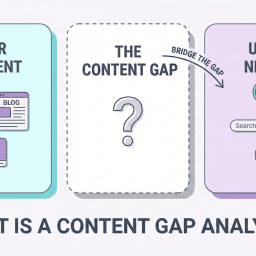
- Topic demand and content gaps
- Competitive performance
- Engagement signals and UX indicators
Unlike older keyword tools, today’s platforms focus on context, clusters, and user journeys—not just rankings.
Popular tools include:
- Semrush ContentShake & Topic Research
- Ahrefs Content Explorer
- SurferSEO
- Clearscope
- Google Search Console + GA4 (still essential)
These tools work best when paired with human judgment and strategic intent—something automation alone can’t replace.
Step 1: Identify Content That Deserves a Second Life
Not all content needs to be new.
In fact, some of your highest-potential assets are probably already published.
What to look for:
- Pages ranking between positions 8–20
- Articles with strong impressions but low CTR
- Content with high time-on-page but low conversions
- Evergreen topics that haven’t been updated in 12–18 months
Use Google Search Console and tools like Ahrefs or Semrush to surface these opportunities.
ONEWEBX mindset:
Optimization beats creation. Every time.
Step 2: Explore Search Intent, Not Just Keywords
This is where modern exploration tools shine.
Instead of asking, “What keyword should I rank for?” ask:
- What problem is the user trying to solve?
- What format do they expect?
- How deep do they want to go?
Tools like SurferSEO and Clearscope reveal:
- Related subtopics users expect to see
- Questions competitors are answering
- Semantic terms that reinforce topical authority
This is how you align content with how AI-powered search engines actually interpret relevance.
Step 3: Optimize for Humans and Machines
High-performing content in 2026 balances three things:
- Clarity (UX and readability)
- Credibility (experience, sources, authority)
- Structure (scannability and semantic flow)
Practical optimization upgrades:
- Rewrite intros to immediately address user pain points
- Use descriptive headers that match intent
- Add summaries, FAQs, or jump links
- Improve accessibility (alt text, contrast, clear language)
- Refresh examples with current tools and data
AI can help with drafts and suggestions—but the final pass should always sound human, confident, and intentional.
Step 4: Let AI Reveal Content Gaps and Opportunities
AI-powered tools excel at spotting patterns humans miss.
Use them to:
- Identify missing subtopics in a content cluster
- Suggest internal linking opportunities
- Predict content decay before rankings drop
- Analyze competitor content velocity
This allows you to move from reactive updates to proactive content planning.
That’s how content turns into an asset—not a liability.
Step 5: Measure What Actually Matters
Rankings alone don’t tell the full story anymore.
Modern performance tracking includes:
- Engagement time and scroll depth
- Conversion paths
- Assisted conversions
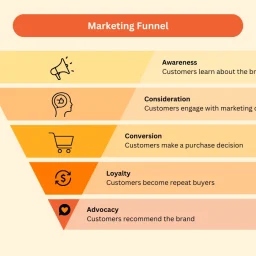
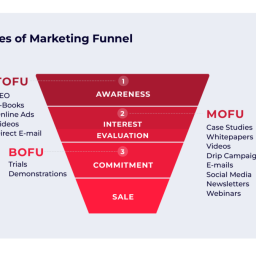
- Content influence across the funnel
GA4, Search Console, and CRM integrations give you the full picture—if you know how to interpret them.
At ONEWEBX, this is where strategy meets reality: tying content performance directly to business outcomes.