

If you’re still thinking about content marketing as “just writing blog posts,” it’s time for a reality check. In today’s fast-paced digital world, content isn’t just king—it’s the tour guide, the salesperson, and sometimes even the therapist your customers never knew they needed.
The challenge? Most businesses create content without thinking about where their audience is in the purchase funnel. That’s like handing a scuba mask to someone who’s just learning to swim.
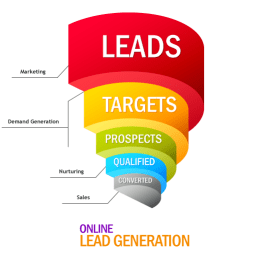
To make your content truly convert—and build trust along the way—you need a funnel-aware strategy that speaks to people at every stage: Awareness, Consideration, and Decision.
Here’s how to do it in 2026, with modern tech, AI tools, and design best practices.
1. Awareness Stage: Capture Attention (Without Being Spammy)
At the top of the funnel, your audience isn’t ready to buy—they’re just noticing a problem or craving a solution. Your job: educate, inspire, or entertain enough to make them stick around.
Modern Tips:
- SEO & AI: Use AI-powered SEO tools like SEMrush, SurferSEO, or Ahrefs to identify trending questions your audience is asking. Think long-tail keywords that align with intent, not just traffic.
- Content Types: Short-form videos, interactive infographics, and “how-to” blog posts work wonders for introducing your brand.
- Accessibility & UX: Make your content scannable, mobile-friendly, and accessible—alt text, readable fonts, and captioned videos matter.
Example: A small business selling eco-friendly cleaning products could create a TikTok video titled: “3 Everyday Chemicals You Didn’t Know Were Harming Your Home”. It educates without selling, sparking curiosity.
2. Consideration Stage: Build Trust & Show Value
Here, people are weighing options. They know they have a problem—they just don’t know whose solution to pick. Your content should highlight value, answer objections, and position your brand as the smart choice.
Modern Tips:
- Interactive Tools: Use calculators, quizzes, or AI chatbots to guide potential customers through solutions. For example, a budget-friendly “ROI calculator” can turn casual interest into serious consideration.
- Content Formats: Comparison guides, case studies, webinars, and detailed explainer videos work best.
- AI-Powered Personalization: Leverage AI to recommend content based on user behavior. Personalized emails, product suggestions, or blog recommendations keep leads engaged.
Example: A web design agency could offer an AI-powered quiz: “Which Website Style Will Maximize Your Leads?”, leading to tailored content for each user.
3. Decision Stage: Make the Sale Simple & Confident
At the bottom of the funnel, your content must remove friction and make the decision obvious. Customers are ready to act—but they may still hesitate.
Modern Tips:
- Social Proof & Reviews: Showcase real testimonials, video reviews, and trust badges prominently.
- Clear CTAs: One-click sign-ups, seamless checkout, and AI chat support help remove hesitation.
- Retargeting & Email Automation: Use AI-powered email sequences or retargeting ads to gently nudge leads who didn’t convert immediately.
Example: For a SaaS company, a clear decision-stage email might be: “You’ve seen how our software can save 5 hours/week. Try it now with zero risk—30-day free trial.”
Why Funnel-Aware Content Matters in 2026
Modern buyers are smarter, mobile-first, and privacy-conscious. They want personalized experiences, frictionless journeys, and meaningful engagement. By aligning your content with each funnel stage—and leveraging AI tools for insights, personalization, and automation—you can:
- Increase conversions without spending more on ads
- Strengthen your brand authority
- Build trust and loyalty in a competitive market
At ONEWEBX, we help businesses design content strategies that hit every funnel stage with precision, combining UX/UI best practices, AI-driven insights, and trend-aware marketing tactics.