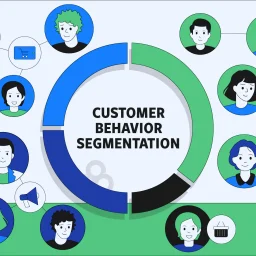


In 2026, the brands winning online aren’t shouting at everyone—they’re speaking directly to the right someone, at the right moment, on the right screen.
Micromarketing isn’t new, but thanks to AI, automation, and better data ethics, it’s finally practical, scalable, and wildly effective—especially for small businesses and growing brands.
Let’s break down what micromarketing really means today, why it matters more than ever, and how to use it without creeping people out (because yes… that line exists).
What Is Micromarketing (Today’s Definition)?
Micromarketing is a strategy that focuses on highly specific audience segments—sometimes down to neighborhoods, job roles, behaviors, or even individual users—and tailors messaging, offers, and experiences to them.
Think:
- A landing page customized by industry
- Local SEO content that actually feels local
- Ads triggered by user intent, not demographics
- Website experiences that adapt in real time
This isn’t “Dear [First Name]” personalization.
This is relevance at scale.
Why Micromarketing Is Exploding Right Now
Three big forces have changed the game:
1. AI Made Precision Affordable
What used to require enterprise-level budgets is now accessible to small businesses thanks to:
- AI audience clustering
- Predictive behavior modeling
- Automated content personalization
- Smarter analytics insights
Micromarketing no longer means manual chaos—it means intelligent automation.
2. Privacy Laws Changed the Rules (For the Better)
With GDPR, CCPA, and cookieless tracking reshaping data collection, micromarketing has shifted from invasive tracking to intent-driven, first-party data strategies.
Translation:
If your website UX is strong, users tell you what they want.
3. Generic Marketing Just Doesn’t Convert Anymore
People expect relevance.
If your website, ads, or emails feel generic, users bounce—fast.
Micromarketing meets modern expectations:
- Personalized
- Accessible
- Context-aware
- Human
Real-World Examples of Micromarketing
Micromarketing isn’t theory—it’s everywhere when done well.
- A service business showing different homepage messaging based on visitor industry
- Local businesses running geo-targeted offers by neighborhood
- B2B brands creating role-specific landing pages (CEO vs Marketing Manager)
- Ecommerce stores using AI to recommend products based on behavior, not guesswork
The magic isn’t the tech—it’s the strategy behind it.
How to Do Micromarketing the Smart Way
Here’s how ONEWEBX approaches micromarketing for modern brands.
Step 1: Define Micro-Audiences That Actually Matter
Start small. Precision beats volume.
Think:
- Local service businesses with under 10 employees
- Ecommerce brands doing $100k–$500k annually
- Marketing managers in SaaS startups
- Nonprofits targeting regional donors
AI tools can now cluster users based on:
- Behavior patterns
- Content engagement
- Purchase intent
- Location + timing
Step 2: Build Personalized Web Experiences (Not Just Ads)
Micromarketing fails when personalization stops at the ad.
Your website must support it.
Key UX tactics:
- Dynamic content blocks
- Industry-specific landing pages
- Location-aware messaging
- Accessibility-first design (WCAG compliant)
If the experience doesn’t feel intentional, trust erodes instantly.
Step 3: Use SEO Data to Guide Micro-Content
Modern SEO tools like SEMrush, Ahrefs, and Google Search Console reveal what specific audiences are searching for—right now.
Use that data to:
- Create hyper-focused blog content
- Optimize service pages by niche
- Target long-tail, high-intent keywords
- Build authority in smaller, winnable spaces
Micromarketing + SEO = compounding visibility.
Step 4: Automate Without Losing the Human Touch
This is where AI shines—and where brands often overdo it.
Use AI to:
- Personalize content delivery
- Predict user intent
- Optimize send times and formats
- Analyze performance trends
But always keep:
- Clear messaging
- Ethical data use
- Transparent personalization
Clever beats creepy. Always.
Step 5: Measure Micro-Conversions (Not Just Big Wins)
Traditional metrics miss micromarketing success.
Track:
- Scroll depth by segment
- Time on personalized pages
- Return visits
- Assisted conversions
- Engagement quality
Small signals add up to big revenue.
Common Micromarketing Mistakes to Avoid
- Over-segmenting too early
- Ignoring UX consistency
- Using AI without strategy
- Forgetting accessibility and inclusivity
- Personalizing without value
Micromarketing only works when every touchpoint feels intentional.
Why Micromarketing Is a Power Move for Small Businesses
Big brands rely on reach.
Smart brands rely on relevance.
Micromarketing lets small businesses:
- Compete without massive ad spend
- Build trust faster
- Convert warmer leads
- Create loyal communities
When done right, it’s not just marketing—it’s relationship-building at scale.
How ONEWEBX Makes Micromarketing Work
At ONEWEBX, micromarketing isn’t a buzzword—it’s baked into how we build:
- Conversion-focused websites
- AI-powered personalization systems
- SEO strategies designed for niche dominance
- UX/UI experiences that adapt to real users
We help brands stop marketing at people—and start connecting with them.