

Here’s a fully updated, modernized version of your social media marketing article, reflecting 2026 trends, AI tools, and small business relevance:
Step 1: Define Clear Goals That Actually Matter
Before you touch Instagram Reels or LinkedIn carousels, ask yourself:
- What business problem am I solving with social media?
- Am I focused on brand awareness, lead generation, customer retention, or thought leadership?
Pro tip: Use the SMART framework (Specific, Measurable, Achievable, Relevant, Time-bound).
Example: “Increase qualified leads from LinkedIn by 20% over the next quarter using AI-assisted content personalization.”
Step 2: Know Your Audience (Deeply)
Social media success isn’t about more eyeballs — it’s about the right eyeballs.
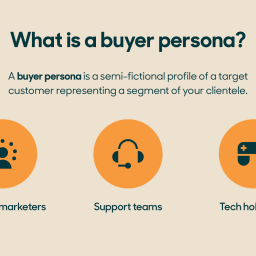
- Map your ideal customer personas
- Analyze engagement data from platforms like Meta Business Suite, TikTok Analytics, or LinkedIn Insights
- Use AI tools like Hootsuite’s AI Insights, Sprout Social, or ChatGPT-driven audience analysis to discover emerging trends
Think: Who are they, what content do they love, and where do they hang out online?
Step 3: Audit Your Current Social Media Presence
Before building the future, understand the present:
- Review all active accounts
- Analyze content performance (likes, shares, comments, watch time)
- Identify gaps, inconsistencies, and opportunities
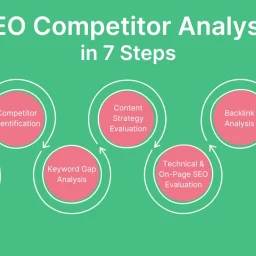
- Benchmark against competitors using SEMrush, Socialbakers, or SimilarWeb
This ensures your strategy is grounded in reality, not assumptions.
Step 4: Choose the Right Platforms
Not every platform fits every business. Focus your energy where your audience is most active:
- B2B: LinkedIn, X (formerly Twitter), YouTube
- B2C: Instagram, TikTok, Pinterest, Threads
- Local businesses: Meta Business Pages, Google Business Profile, Instagram
Pro tip: Quality beats quantity. It’s better to dominate 2–3 platforms than be mediocre everywhere.
Step 5: Create Content That Resonates
Content is still king — but context is queen.
- Mix short-form videos, stories, carousels, blogs, and AI-generated visuals
- Personalize messages using AI tools for sentiment analysis, topic suggestions, and A/B testing
- Make content accessible: captions, alt text, and mobile-optimized visuals
Remember: Social media is not a broadcast channel—it’s a conversation.
Step 6: Automate Smartly, Don’t Ghost Your Audience
AI and automation are your friends—but misuse them, and you sound robotic.
- Use tools like Buffer, Hootsuite, or Sprout Social to schedule posts
- Leverage AI content assistants to draft ideas and generate hashtags
- Monitor engagement daily—automation should amplify human connection, not replace it
Example: AI can suggest trending hashtags, but you still want to respond personally to comments.
Step 7: Measure, Analyze, Optimize, Repeat
Strategy without measurement is just wishful thinking.
Track KPIs such as:
- Engagement rate
- Click-through rate (CTR)
- Conversion rate
- Follower growth
- ROI from social campaigns
Use tools like:
- Google Analytics 4
- Meta Business Suite
- LinkedIn Analytics
- AI-powered dashboards like Hootsuite Insights or Socialbakers