
In 2026, technical SEO isn’t just about sitemaps and meta tags — it’s a multidisciplinary strategy that blends web performance, AI-driven optimization, accessibility, and data privacy compliance.
Let’s break it down.
What Is Technical SEO, Really?
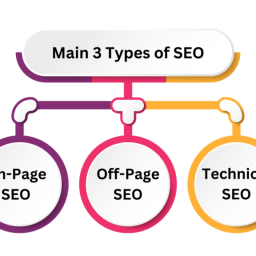
Technical SEO refers to the behind-the-scenes optimizations that make your website understandable to search engines and user-friendly for visitors.
Think of it as the plumbing and electrical wiring of your website — users don’t see it, but if it’s broken, nothing works.
Core areas include:
- Site speed and performance
- Mobile-first design
- Structured data and schema markup
- Secure connections (HTTPS)
- Indexing and crawlability
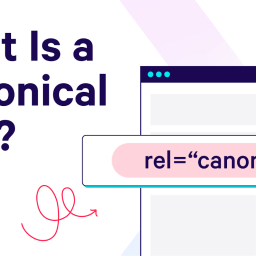
- Canonicalization and URL structure
- Internal linking architecture
- Web accessibility (WCAG compliance)
- AI-driven SEO optimization
In short: technical SEO ensures Google, Bing, and AI-powered search systems can fully “read” your site — and reward it accordingly.
Why Technical SEO Matters in 2026
With AI increasingly integrated into search results, technical SEO has evolved from optional to mission-critical:
- AI-Enhanced Indexing: Search engines now use AI to evaluate page relevance, structure, and content comprehensiveness. A technically optimized site gets understood faster.
- UX Signals Are SEO Signals: Google’s Core Web Vitals, page experience, accessibility, and interactivity are now explicit ranking factors.
- Mobile & Voice Search: 75%+ of searches are mobile, and voice search (via devices like Google Assistant, Siri, and Alexa replacements) demands structured, concise, and fast-loading content.
- Privacy Compliance Matters: GDPR, CCPA, and other privacy laws impact SEO indirectly via tracking, personalization, and user trust.
In short, technical SEO isn’t just about rankings — it’s about trust, performance, and user experience, all of which impact conversions.
Technical SEO Checklist for 2026
Here’s a modern, actionable checklist to get your website performing like a pro:
1. Crawlability & Indexing
- Submit an XML sitemap and robots.txt file
- Check for noindex, canonical, or redirect issues
- Use tools like Google Search Console, Ahrefs, or SEMrush to monitor crawl errors
2. Site Speed & Performance
- Optimize images with WebP or AVIF formats
- Implement lazy loading and content caching
- Monitor Core Web Vitals (LCP, FID, CLS)
- Consider CDN integration for global reach
3. Mobile-First Optimization
- Ensure responsive design across devices
- Test interactivity and page layouts on smartphones and tablets
- Prioritize touch-friendly navigation
4. Structured Data & Schema
- Implement schema markup for articles, products, FAQs, reviews
- Use JSON-LD format for maximum AI and search engine compatibility
- Test with Google Rich Results Test
5. Security & Privacy
- Enable HTTPS/SSL site-wide
- Maintain secure login and payment systems
- Ensure privacy-compliant cookies and data tracking
6. Internal Linking & Architecture
- Use a logical, hierarchical site structure
- Include breadcrumb navigation
- Avoid orphan pages
7. URL & Canonicalization
- Keep URLs short, descriptive, and keyword-friendly
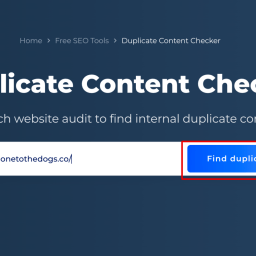
- Use canonical tags to prevent duplicate content issues
- Avoid unnecessary query parameters
8. Web Accessibility
- Follow WCAG 2.1 standards
- Ensure keyboard navigation and ARIA attributes
- Provide alt text for images and captions for videos
9. AI-Assisted SEO Insights
- Use tools like Surfer SEO, Clearscope, Frase, SEMrush to identify content gaps
- Optimize content structure for AI-powered search snippets
- Monitor user engagement metrics to guide technical improvements