

Search engines today don’t just match words—they interpret context, intent, and experience. Between AI-powered results, conversational queries, zero-click searches, and personalized SERPs, understanding why someone is searching matters more than what they type.
That’s why modern SEO isn’t about stuffing keywords—it’s about using the right type of keyword at the right moment in the customer journey.
Here’s the updated breakdown every marketer, creator, and business owner should have in their toolbox.
Why Keyword Strategy Looks Different Today
Search engines now evaluate:
- Semantic meaning, not exact match phrases
- User intent and behavioral signals
- Topical authority across entire sites
- Content quality, UX, and accessibility
Modern SEO tools like Semrush, Ahrefs, Moz, Google Search Console, and SurferSEO help decode this complexity—but only if you know what you’re looking for.
Let’s fix that.
The 18 Types of Keywords (Modern Edition)
1. Short-Tail Keywords
Broad, high-volume terms (e.g., “shoes”).
Great for awareness, terrible for conversions without authority.
2. Long-Tail Keywords
Specific phrases with clear intent (e.g., “men’s running shoes for flat feet”).
Lower volume, higher conversion, smarter SEO.
3. Intent-Based Keywords
Keywords aligned with why someone is searching:
- Informational
- Navigational
- Transactional
- Commercial investigation
These drive strategy—not guesses.
4. Transactional Keywords
Keywords that signal buying readiness (e.g., “buy,” “pricing,” “demo,” “near me”).
Your revenue keywords.
5. Informational Keywords
Used when users want answers, not sales pitches.
Perfect for blogs, guides, FAQs, and AI-powered summaries.
6. Semantic Keywords
Closely related concepts that help search engines understand context.
Vital for ranking in AI-generated results.
7. Local Keywords
Geo-specific searches (e.g., “web design agency in Austin”).
Essential for service-based businesses and local SEO.
8. Branded Keywords
Your brand name and variations.
They signal trust, authority, and brand demand.
9. Competitor Keywords
Used strategically in comparisons, alternatives, and review content.
High intent, high opportunity.
10. Conversational Keywords
Natural language queries (e.g., “What’s the best SEO strategy for small businesses?”).
Crucial for voice search and AI-driven SERPs.
11. Trending Keywords
Time-sensitive terms driven by events or cultural shifts.
Short-term visibility, long-term authority if used wisely.
12. Product-Specific Keywords
Exact product names, SKUs, or service packages.
Critical for ecommerce and solution-based businesses.
13. Evergreen Keywords
Timeless search terms that remain relevant year-round.
Your SEO foundation.
14. Problem-Based Keywords
Queries focused on pain points (e.g., “why is my website traffic dropping?”).
Perfect for lead-generation content.
15. Commercial Investigation Keywords
Used when users are comparing options (e.g., “best SEO tools for startups”).
These sit right before purchase decisions.
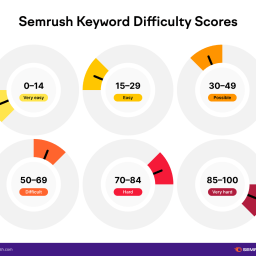
16. Low-Competition Keywords
Often overlooked but powerful for smaller brands.
AI tools make these easier than ever to find.
17. Trust-Based Keywords
Keywords tied to credibility (e.g., “reviews,” “certified,” “case studies”).
Critical in a privacy-aware, trust-first web.
18. AI-Optimized Keywords
Keywords structured for AI summaries, featured snippets, and search assistants.
These focus on clarity, context, and direct answers.
Keyword Strategy Is a UX Decision
The best keyword strategies don’t just rank—they guide users.
At ONEWEBX, we align keywords with:
- User intent
- Content experience
- Conversion pathways
- Accessibility and readability
Because ranking without engagement is just digital noise.
Why ONEWEBX Does SEO Differently
We don’t chase trends—we build systems.
Our approach combines:
- AI-powered keyword intelligence
- Human-centered UX design
- Conversion-focused content strategy
- Ethical data use and performance tracking
That’s how we help businesses grow visibility and trust—at the same time.