

Welcome to 2026, where keyword research is smarter, faster, and more precise—thanks to AI and next-generation SEO tools.
For small businesses and content creators, knowing exactly what your audience is searching for can make the difference between content that languishes in the depths of Google and content that drives traffic, leads, and conversions.
At ONEWEBX, we help businesses harness these modern techniques to find high-value keywords fast—so you can focus on creating content that actually converts.
Technique 1: AI-Powered Keyword Expansion
Traditional keyword research tools are useful, but today’s AI-assisted platforms take discovery to another level. Tools like SEMRush, Ahrefs, SurferSEO, and ChatGPT can help you uncover:
- Long-tail keywords your audience actually uses – These are often less competitive and higher intent.
- Semantic variations – Google’s algorithms now understand context, not just exact matches.
- Emerging trends – AI tools analyze social signals, news, and search trends in real time.
Pro Tip: Feed your AI tool a short list of seed keywords and ask it to generate 100+ related terms. Then cross-reference with search volume and difficulty metrics. You’ll quickly discover niches you didn’t even know existed.
Why it works: AI looks at patterns across millions of searches, surfacing hidden opportunities much faster than manual analysis ever could.
Technique 2: Competitor & Audience Insight Mashup
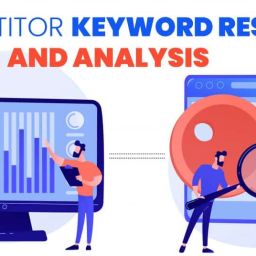
The smartest way to find profitable keywords is to look at both sides of the coin: your competitors’ strategies and your audience’s intent.
- Competitor Keyword Mining: Use tools like Ahrefs or SEMRush to identify:
- Which pages drive the most organic traffic
- What keywords your competitors rank for that you don’t
- Gaps in their content that you can fill
- Audience Behavior Analysis: Pair this with AI-driven insights from platforms like MarketMuse or Clearscope to understand:
- What questions your audience is asking
- How they phrase search queries
- Which content formats resonate most (blogs, videos, FAQs, or interactive tools)