

In today’s fast-moving digital marketplace, knowing your competitors isn’t enough. You need a clear, strategic snapshot of where you stand, where the market is going, and where growth opportunities are hiding.
Enter the competitive matrix—a simple yet powerful tool that organizes competitor data, reveals market gaps, and guides your next moves. Here’s how to use it effectively in 2026.
1. Identify the Right Competitors and Metrics
Not all competitors are created equal. Start by defining who matters most:
- Direct competitors: Businesses offering similar products/services in the same market.
- Indirect competitors: Companies meeting the same customer needs differently.
- Emerging competitors: Startups or new entrants disrupting the space.
Next, decide which metrics to track. In 2026, think beyond price and features:
- Website traffic and SEO performance (SEMRush, Ahrefs, or SurferSEO)
- Social media engagement and content strategy (BuzzSumo, Hootsuite)
- AI adoption and automation in marketing or sales
- UX/UI and digital accessibility benchmarks
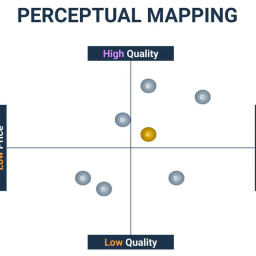
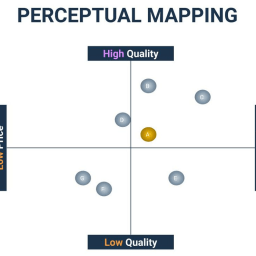
2. Map Competitors on a Matrix to Spot Gaps
A matrix lets you see opportunities at a glance. Common axes include:
- Price vs. Feature Set – Identify high-value gaps where customers feel underserved
- Market Reach vs. Customer Satisfaction – Spot areas where competitors have reach but poor engagement
- Innovation vs. Brand Awareness – Find opportunities to differentiate with unique offerings
Visualization tools like Canva, Figma, or Lucidchart make it easy to create clear, actionable matrices.
3. Use the Matrix to Prioritize Growth Initiatives
Once your matrix is complete, you can make data-driven decisions:
- Expand into under-served market segments
- Innovate products/services where competitors are weak
- Optimize marketing channels that competitors overlook
- Personalize customer experience using AI-driven insights
4. Turn Insights into Actionable Strategy
A matrix is only as valuable as the actions it inspires. Translate insights into:
- Content strategies targeting keywords or topics competitors neglect
- Product development roadmaps based on feature gaps
- Partnership opportunities where competitors aren’t collaborating
- AI-powered automation to scale operations faster and smarter
Always track results over time. Use tools like Google Analytics, SEMRush, or Hotjar to measure performance and refine strategy continuously.