
In 2026, competitive analysis isn’t optional — it’s foundational. AI tools are evolving fast. Search behavior is shifting. Personalization is redefining user expectations. And if you’re not actively studying your market landscape, you’re designing blind.
At ONEWEBX, we don’t just build websites. We build strategically positioned digital ecosystems. That starts with structured competitive analysis.
Below are 5 essential competitive analysis frameworks, modernized for today’s AI-powered, privacy-first, UX-driven digital environment — complete with visual suggestions you can include in your blog.
Suggested Featured Image
Image Concept:
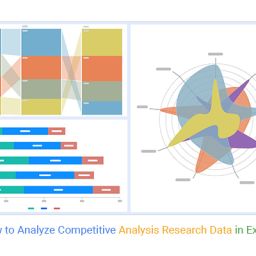
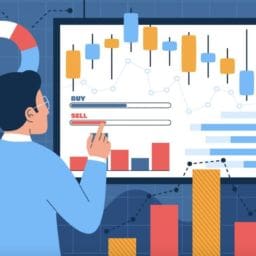
A sleek dashboard showing competitor comparison charts, keyword overlap graphs, UX heatmaps, and AI analytics panels.
Alt text: Competitive analysis dashboard with SEO metrics and UX comparison charts.
1. SWOT Analysis (Modernized for Digital Strategy)
Yes, SWOT still works. But today, it goes deeper.
SWOT = Strengths, Weaknesses, Opportunities, Threats
In 2026, this includes:
- AI adoption level
- Content authority signals
- Core Web Vitals performance
- Personalization capability
- First-party data strategy
- Accessibility compliance (WCAG)
How to Do It Today
Use tools like:
- SEMrush
- Ahrefs
- Google Analytics 4
Instead of guessing strengths, analyze:
- Backlink quality
- Traffic sources
- Content gaps
- Keyword positioning
- Engagement metrics
Visual to Include:
A clean 4-quadrant grid labeled:
Strengths | Weaknesses
Opportunities | Threats
Why It Matters
SWOT clarifies positioning.
It shows you where to compete — and where to differentiate.
2. Porter’s Five Forces (For Digital Markets)
Originally created by Michael Porter, this framework still applies — especially in crowded online industries.
The five forces:
- Competitive rivalry
- Threat of new entrants
- Bargaining power of buyers
- Bargaining power of suppliers
- Threat of substitutes
Updated for 2026:
- “New entrants” now include AI-powered startups with low overhead.
- “Substitutes” may be automation platforms replacing services.
- “Buyer power” increases due to transparent online reviews.
Visual to Include:
A central circle labeled “Your Business” with five arrows pointing inward from each force.
Example:
If you’re a digital agency, substitutes may include:
- DIY platforms
- AI website builders
- Freelance marketplaces
Understanding this reshapes your pricing, messaging, and value proposition.
3. Competitor SEO & Content Gap Analysis
This is where modern analysis gets tactical.
Instead of asking:
“What keywords are they ranking for?”
Ask:
“What questions are they answering that we aren’t?”
Tools to Use:
- Surfer SEO
- SEMrush
- Ahrefs
These tools show:
- Keyword overlaps
- Ranking gaps
- Content depth comparisons
- Featured snippet opportunities
Visual to Include:
A Venn diagram showing:
Your Keywords | Competitor Keywords | Overlap Zone
Why It Matters
Search engines now prioritize topic authority, not isolated articles.
Winning requires building clusters, not chasing single keywords.
4. UX & Conversion Benchmarking
Your competitor may rank well — but are they converting?
In 2026, UX is SEO. Period.
Analyze:
- Navigation clarity
- CTA placement
- Page speed
- Mobile optimization
- Accessibility standards
- Personalization features
Tools like:
- Hotjar
- Google Lighthouse
- PageSpeed Insights
Visual to Include:
Side-by-side homepage wireframe comparison highlighting:
- CTA visibility
- Visual hierarchy
- Scroll depth
Example:
If competitors use 6 CTAs above the fold and you use one focused action — that clarity may outperform complexity.
Conversion beats clutter.
5. AI & Automation Maturity Assessment
This is the new competitive frontier.
Ask:
- Are competitors using AI-generated content?
- Do they personalize landing pages?
- Do they use smart chat automation?
- Are they leveraging predictive analytics?
Platforms like:
- ChatGPT
- HubSpot
- Custom AI-driven CRM systems
Visual to Include:
A 5-level maturity ladder:
Level 1: Static website
Level 2: Basic automation
Level 3: AI-assisted content
Level 4: Personalization engine
Level 5: Predictive marketing system
Why This Matters
AI is lowering entry barriers — but widening performance gaps.
The businesses using AI strategically (not blindly) are pulling ahead fast.
The Bigger Truth About Competitive Analysis
Frameworks don’t win markets.
Clarity does.
Competitive analysis isn’t about copying others.
It’s about identifying white space — then owning it.
At ONEWEBX, we combine:
- Structured competitive frameworks
- AI-driven data analysis
- UX research
- Conversion strategy
- Content authority planning
We don’t just study competitors.
We design systems that outperform them.