

In today’s digital-first world, knowing your competitors isn’t optional—it’s survival. Yet many businesses treat competitive analysis like a checkbox: glance at a competitor’s website, copy a few ideas, and call it a day.
If that sounds like your approach… it’s time for an upgrade. A smart competitive analysis doesn’t just catalog your rivals; it uncovers opportunities, informs your marketing strategy, and even inspires better UX design and digital experiences.
Here’s a practical competitive analysis example to help you get started—without needing a full research team.
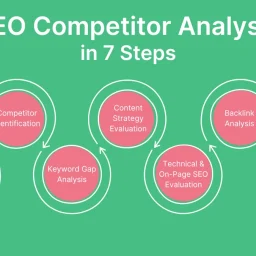
Step 1: Identify Your Competitors
Start broad, then narrow down:
- Direct competitors: Companies offering the same product/service to the same audience.
- Indirect competitors: Businesses solving the same problem differently.
- Emerging competitors: Startups or digital solutions that could disrupt your space.
Modern tip: Use AI-powered SEO and analytics tools like SEMRush, Ahrefs, or SimilarWeb to uncover competitors you might not have noticed. These platforms also reveal traffic trends, backlink profiles, and keyword overlaps.
Step 2: Determine Key Comparison Metrics
What makes your competitors strong—or weak? Focus on measurable dimensions such as:
- Website UX/UI quality: Navigation, mobile optimization, accessibility, load speed.
- Content strategy: Blog frequency, engagement, video, infographics, interactive content.
- SEO performance: Keywords, organic traffic, backlink quality.
- Social media presence: Follower growth, engagement, and content diversity.
- Pricing & value proposition: Where do they hit or miss?
Pro tip: AI tools like SurferSEO or Clearscope can analyze top-performing content to see what resonates with your target audience.
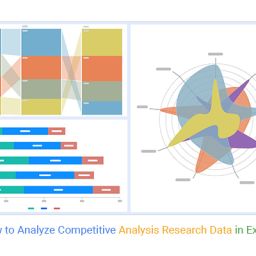
Step 3: Visualize Your Findings
A simple visual can make your insights actionable:
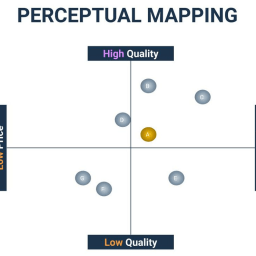
- Competitive matrix: Plot competitors on axes like price vs. quality or innovation vs. customer support.
- Feature comparison chart: Side-by-side comparison of product/service features.
- Content performance dashboards: AI-generated graphs showing traffic, engagement, and ranking trends.
Seeing competitors in a visual format highlights gaps and opportunities you might have missed.
Step 4: Analyze and Strategize
The data is only valuable if you act on it. Ask:
- Where are competitors over-servicing or under-servicing customers?
- Which content formats or channels drive engagement they aren’t using?
- What UX elements could you improve to differentiate?
- Are there unmet needs your brand can address?
AI-driven analytics can even predict trends, allowing you to adapt before the competition does.
Step 5: Keep It Dynamic
Competitive analysis isn’t a one-time project—it’s ongoing. Set up quarterly or monthly reviews, automate data collection with AI tools, and adjust strategy based on real-time insights.
At ONEWEBX, we help businesses turn competitive analysis into actionable strategy. From UX audits and content optimization to AI-driven market insights, we make sure your brand doesn’t just keep up—it stands out.