
What Is a Content Gap Analysis?
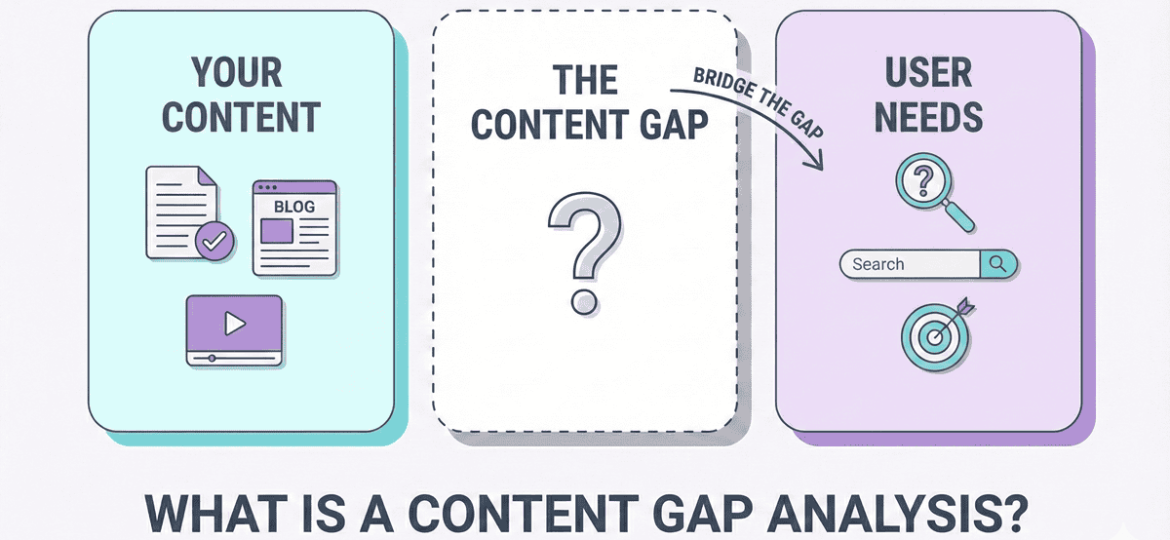
A content gap analysis is the process of identifying missing or underperforming content in your marketing strategy that prevents you from reaching your audience effectively. It answers questions like:
- What are our competitors ranking for that we aren’t?
- What questions are our target customers asking that we haven’t addressed?
- Which content formats or channels are underutilized?
The outcome: a data-driven roadmap for content creation that maximizes traffic, engagement, and conversions.
Why It Matters in 2026
- AI-Driven Search & Recommendations: Search engines and platforms now use AI to serve personalized content. If your content isn’t optimized to fill gaps, your audience may never find you.
- Omnichannel Consumption: Customers engage across blogs, video, podcasts, social, and even AR/VR. Your content needs to be present where they are.
- Revenue-Driven Marketing: Filling content gaps strategically can increase lead generation, improve sales conversions, and boost ROI.
Step-by-Step Content Gap Analysis
1. Audit Your Existing Content
Start by cataloging everything you already have:
- Blog posts
- Landing pages
- Video, podcasts, and social content
- Guides, ebooks, and whitepapers
Tools: Use AI-powered content audits from SEMRush, Ahrefs, or Surfer SEO to quickly analyze performance metrics like traffic, engagement, and keyword rankings.
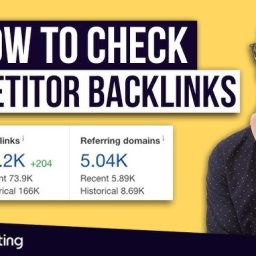
2. Identify Competitor Gaps
Next, see where your competitors are outperforming you:
- Which keywords are they ranking for that you aren’t?
- What topics are they covering that your audience searches for?
- Are they using content formats you’re missing, like interactive calculators or video explainers?
Modern tools: Replace the old Alexa SEO references with Ahrefs, SEMrush, or Moz Pro to analyze competitor content and uncover missed opportunities.
3. Analyze Audience Needs
It’s not just about keywords—it’s about intent.
- What questions is your audience asking?
- Which formats do they prefer: blogs, videos, AI-generated chat experiences, or podcasts?
- Are there pain points your current content doesn’t solve?
Tip: Use AI tools like ChatGPT or Jasper AI to scan forums, social media, and FAQ pages to discover what your audience truly cares about.
4. Prioritize High-Impact Opportunities
Not all gaps are created equal. Focus on content that:
- Targets high-value, high-intent keywords
- Aligns with your business goals (sales, leads, subscriptions)
- Can be created efficiently with AI-assisted workflows
Pro tip: Build a content roadmap that balances quick wins (low-hanging topics) and strategic investments (long-form authority content).
5. Create, Optimize, and Measure
Once gaps are identified:
- Produce content optimized for search engines, AI assistants, and social platforms
- Use AI writing assistants, SEO tools, and personalization engines to maximize reach
- Continuously measure ROI—traffic, leads, engagement, and conversions—and iterate
Modern twist: Integrate chatbots or personalized content recommendations on your site to extend content value and improve lead capture.
Real-World Example
A mid-size e-commerce brand discovered through content gap analysis that their competitors were dominating “how-to” video content for product tutorials. By creating AI-assisted video tutorials, embedding them on product pages, and promoting them across social channels, they:
- Increased organic traffic by 50% in three months
- Boosted conversions by 22%
- Reduced bounce rate on product pages by 18%
The ONEWEBX Advantage
At ONEWEBX, we don’t just identify content gaps—we turn them into ROI-generating opportunities. Our approach combines:
- AI-driven content audits
- Competitor and audience insights
- Personalized omnichannel content strategies
- Continuous performance optimization