
Today, the brands that thrive are those laser-focused on niche marketing: identifying a precise audience and giving them exactly what they want.
In this article, we’ll break down the modern approach to niche marketing, show you how technology (especially AI) can help, and share three actionable examples to inspire your next campaign.
Why Niche Marketing Works in 2026
Niche marketing isn’t just a trendy buzzword—it’s a survival strategy. Here’s why it matters:
- Smarter Resource Allocation
Instead of spreading your time, money, and content thin, targeting a niche lets you focus on high-conversion opportunities. AI tools like Semrush, Ahrefs, and Surfer SEO make it easier than ever to identify the exact keywords and content your audience is searching for. - Stronger Audience Connection
When you speak directly to a small, specific group, your messaging resonates. People respond to brands that understand them—voice, tone, and even visual design tailored to your niche can dramatically boost engagement. - Less Competition, More Authority
Big players may dominate broad markets, but niches are your playground. By providing highly specialized solutions, your brand can become a go-to authority in a way that massive competitors can’t easily replicate.
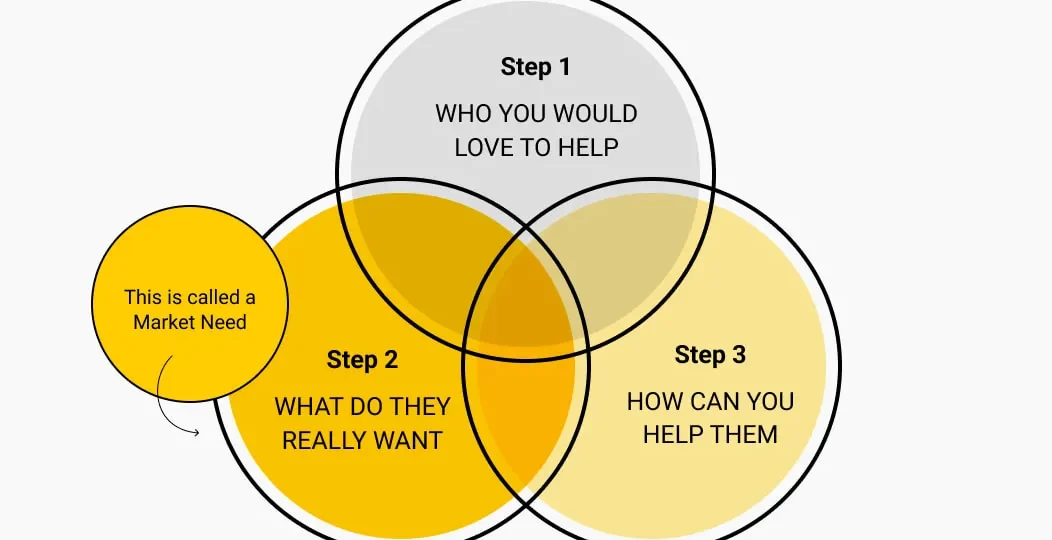
Step 1: Identify Your Niche
Start with the classic questions—but in a 2026 lens:
- Who are my ideal customers?
- What unique problems do they face today? (Think AI, automation, and remote work trends.)
- What digital spaces do they frequent—LinkedIn, Discord communities, or AI-powered platforms?
Combine these insights with AI-powered research tools like Surfer SEO or Ahrefs Content Explorer to validate demand and spot gaps in your competitors’ strategies.
Step 2: Create Tailored Content That Converts
Content is king—but tailored content is emperor. For niche audiences, generic blog posts or social media updates won’t cut it. Instead:
- Use AI writing assistants to brainstorm highly targeted blog topics or email sequences.
- Incorporate video content, because video now dominates engagement across all social platforms.
- Optimize for UX/UI: your audience expects a seamless, fast, and accessible experience on every device.
Step 3: Leverage AI and Automation
AI isn’t just a buzzword—it’s your new marketing teammate. Here’s how:
- SEO and Analytics: AI can analyze search trends, content gaps, and competitor strategies in minutes, giving you insights that used to take weeks.
- Email & CRM Personalization: Automate outreach while keeping your messaging hyper-personalized.
- Content Creation: Tools like ChatGPT or Jasper can draft ideas, headlines, or even scripts—but always add your brand’s human touch.
3 Modern Examples of Niche Marketing
- Eco-Friendly Tech Accessories
A small startup noticed growing concern about sustainability among gadget lovers. They launched a blog and Instagram presence showcasing eco-friendly tech products, paired with interactive AI-powered product suggestions. Result? Strong engagement and repeat customers. - Remote Work Solutions for Creative Teams
With remote work still booming, a SaaS company focused solely on creative teams—designers, video editors, and digital marketers. Their AI-driven workflow tips, niche webinars, and UX-optimized landing pages boosted conversions by 60%. - Personalized Wellness Subscriptions
A health brand used AI to tailor monthly subscription boxes based on individual preferences and health goals. Personalized recommendations and automated follow-ups created a sense of exclusivity, driving both loyalty and word-of-mouth referrals.