
In 2026, a strong content strategy isn’t optional — it’s a business growth engine. With AI-powered writing tools, privacy-aware personalization, semantic SEO, and evolving UX best practices, businesses that plan thoughtfully dominate the digital landscape.
Here’s your updated 6-step cheat sheet for creating a content strategy that converts, engages, and future-proofs your online presence.
Step 1: Define Your Goals and Metrics
Before you write a single word, ask:
- What are we trying to achieve?
- Brand awareness
- Lead generation
- Ecommerce sales
- Customer retention
- How will we measure success?
- Organic traffic
- Engagement metrics (time on page, scroll depth)
- Conversion rates
- Social shares
- Newsletter sign-ups
Use AI analytics tools like Google Analytics 4 or HubSpot Marketing Hub to track real-time performance and predict trends.
A goal without a metric is just a hope — don’t wing it.
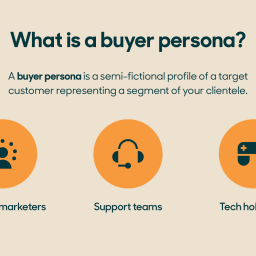
Step 2: Understand Your Audience Deeply
Forget demographics-only thinking. Modern content strategy starts with behavior and intent:
- What content do they consume?
- Which pain points keep them up at night?
- How do they prefer to engage — blog, video, podcast, or AI chat assistants?
Behavioral segmentation tools and AI-based surveys can uncover insights you can’t see through Google Analytics alone.
Example: You might discover most of your audience reads your blog on mobile while commuting — that influences tone, format, and design.
Step 3: Conduct a Content Audit
Look at everything you already have:
- Blogs
- Videos
- Case studies
- Infographics
- Newsletters
Ask:
- What’s performing?
- What’s outdated?
- What aligns with current SEO trends?
Tools like SEMrush or Ahrefs can highlight high-performing pages and content gaps.
A content audit prevents wasted effort and creates a foundation for smarter planning.
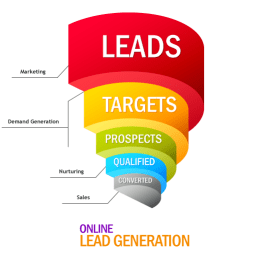
Step 4: Plan Content Around the Buyer Journey
Map your content to each stage of the funnel:
- Awareness – Educational content (blog posts, social snippets, videos)
- Consideration – Case studies, product comparisons, guides
- Decision – Demos, free trials, testimonials, AI chatbots for real-time questions
- Retention & Loyalty – Newsletters, loyalty programs, exclusive updates
AI can help predict what type of content converts at each stage and dynamically personalize it for different audience segments.
Step 5: Choose Channels and Formats
It’s not just about blogging anymore. In 2026, you need a multi-format, multi-channel approach:
- Text – SEO-optimized blogs, long-form guides
- Video – Short-form social, tutorials, webinars
- Interactive content – Calculators, quizzes, polls
- Audio – Podcasts, audio snippets for AI assistants
- Email & Push – Hyper-personalized sequences based on behavior
Use AI content generation tools for drafts, but human review ensures personality, authenticity, and compliance with accessibility standards.
Step 6: Execute, Analyze, and Iterate
A content strategy isn’t set-and-forget. Modern execution looks like this:
- Publish according to plan – Use editorial calendars with AI scheduling suggestions
- Monitor performance – Track engagement, conversions, and behavioral signals
- Optimize continuously – Update outdated posts, repurpose high-performing content, and A/B test CTAs
- Leverage AI insights – Predict trending topics, audience sentiment, and optimal posting times