

In 2026, search engines are smarter, AI is deeply embedded into ranking systems, and most shady tactics fail quickly. But that doesn’t mean your website is immune. Negative SEO still exists, and when it does show up, businesses without a clear strategy often react too late—or in the wrong way.
At ONEWEBX, we help clients protect, strengthen, and future-proof their digital presence. That includes knowing when negative SEO is a genuine risk, how to spot it early, and how to respond intelligently—without panic.
What Negative SEO Actually Looks Like Today
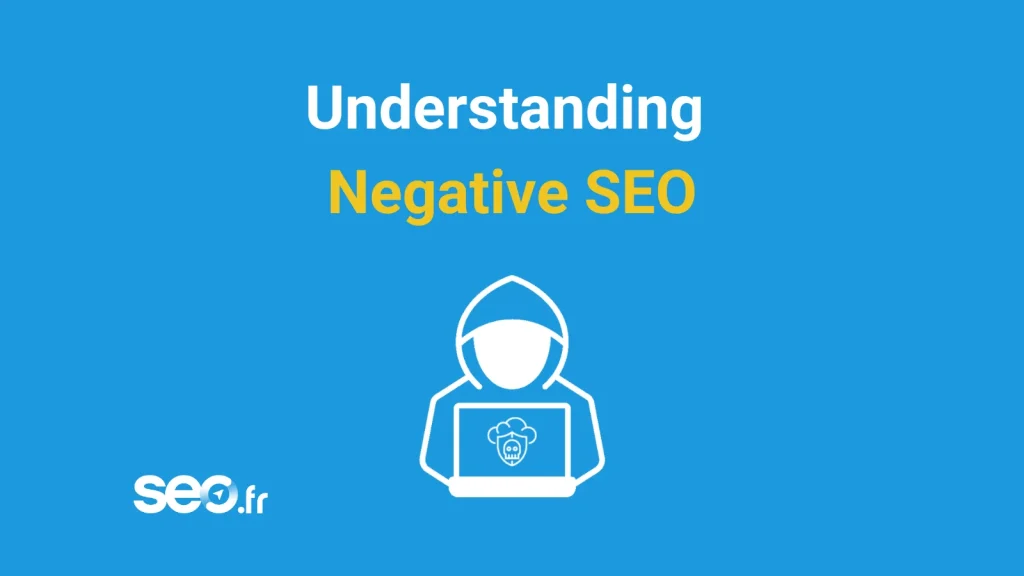
Forget the old myths of overnight ranking destruction. Modern negative SEO is usually subtle, indirect, and cumulative.
Common tactics still seen in 2026 include:
- Spammy backlink attacks from low-quality or toxic domains
- Scraped or duplicated content published at scale
- Fake reviews or reputation manipulation
- Automated bot traffic meant to skew engagement signals
- Intentional performance strain (slowdowns, crawl issues, indexing noise)
Search engines have improved dramatically at filtering this behavior—but they still rely on site owners to monitor and maintain trust signals.
Why Negative SEO Still Matters in 2026
1. Algorithms Are Smarter—but Not Omniscient
Google and other search platforms now use AI systems that evaluate patterns, intent, and credibility, not just links or keywords. That’s good news.
But AI also depends on clean data.
If your site accumulates:
- Toxic backlinks
- Broken trust signals
- Poor engagement metrics
…those signals can still weaken performance over time.
2. Small Businesses Are Easier Targets
Large brands usually have:
- Strong authority profiles
- Large backlink ecosystems
- Dedicated monitoring teams
Small and mid-sized businesses often don’t—which makes early detection critical.
This is where proactive SEO hygiene becomes a competitive advantage.
3. Reputation Signals Now Influence SEO More Than Ever
Search engines increasingly factor in:
- Brand mentions
- Reviews
- Consistency across platforms
- Trust and authority indicators
Negative SEO doesn’t always target rankings directly—it often attacks credibility, which indirectly affects search visibility.
How to Tell If Negative SEO Is Affecting You
Here’s what to watch for—calmly and objectively:
- Sudden spikes in low-quality backlinks
- Ranking drops for no clear on-site reason
- Increased crawl errors or indexing issues
- Unusual traffic patterns or bounce rate spikes
- Duplicate versions of your content appearing elsewhere
Using tools like Google Search Console, Semrush, Ahrefs, and AI-assisted SEO monitoring platforms allows you to spot anomalies before they escalate.
What to Do If You Suspect Negative SEO
Step 1: Don’t Panic—and Don’t Overreact
The worst response is drastic action without evidence.
Modern search engines already discount most spam automatically. Knee-jerk changes can do more harm than good.
Step 2: Audit Your Backlink Profile
Look for:
- Sudden influxes of irrelevant or spammy links
- Obvious link farm patterns
- Foreign domains unrelated to your market
Disavow only when necessary—and strategically.
Step 3: Strengthen Your Authority Signals
The best defense against negative SEO isn’t cleanup—it’s credibility.
Focus on:
- Publishing high-quality, original content
- Improving UX and engagement
- Earning legitimate backlinks
- Maintaining consistent brand signals
Strong sites are harder to shake.
Step 4: Monitor Continuously (Not Obsessively)
Set up:
- Automated alerts
- Monthly audits
- AI-powered pattern tracking
SEO in 2026 is about trend awareness, not daily paranoia.
What NOT to Do
- Don’t buy links “to fight links”
- Don’t disavow everything that looks unfamiliar
- Don’t chase algorithm rumors
- Don’t assume every ranking dip is an attack
SEO is dynamic. Negative SEO is rare—but neglect is common.
How ONEWEBX Helps Protect Your Digital Presence
At ONEWEBX, we don’t treat SEO as a checklist—we treat it as digital risk management.
Our approach includes:
- Proactive SEO health monitoring
- AI-assisted backlink and traffic analysis
- UX, performance, and trust optimization
- Ethical, privacy-first SEO strategies
- Clear, actionable guidance—no fear tactics
Because the goal isn’t just to rank—it’s to stay resilient.
Negative SEO is real—but it’s rarely the biggest threat to your website.
In most cases, the real risk is:
- Inconsistent strategy
- Weak authority signals
- Poor user experience
- Lack of monitoring