

If you’re a small business owner or marketing professional, you’ve probably heard someone say, “SEO is long-term.” That’s true—but here’s the catch: SEO isn’t just a tactic, it’s an investment. And like any investment, it demands strategy, patience, and the right tools to maximize returns.
Here’s why thinking like an investor will make your SEO—and your digital presence—far more profitable.
1. SEO Requires a Long-Term Mindset
Investing in stocks or mutual funds isn’t about next-week gains; it’s about building value over months and years. SEO works the same way:
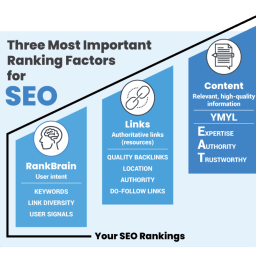
- Quality content builds authority over time
- Backlinks from reputable sites compound your credibility
- Technical SEO improvements (site speed, accessibility, structured data) continue paying dividends
Pro Tip: Don’t chase “quick wins.” Focus on evergreen content and a solid site foundation—it’s the equivalent of a blue-chip stock in the SEO world.
2. Diversification Is Key
In investing, diversification reduces risk. In SEO, diversification is your hedge against algorithm shifts:
- Mix blog content, video, infographics, and podcasts
- Target a combination of short-tail and long-tail keywords
- Build authority across multiple platforms: Google Business Profile, YouTube, LinkedIn
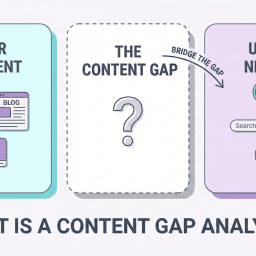
Pro Tip: AI tools like Surfer SEO, Clearscope, or MarketMuse can help you analyze content gaps, keyword opportunities, and topical relevance—so your strategy isn’t one-dimensional.
3. Risk Management Matters
No investment is risk-free, and SEO comes with its own pitfalls:
- Algorithm updates can temporarily drop rankings
- Spammy backlinks or outdated content can hurt performance
- Over-optimizing for keywords can backfire
Pro Tip: Regular SEO audits using tools like SEMrush, Ahrefs, or Moz Pro act like a portfolio review, helping you mitigate risk before it becomes costly.
4. Patience Pays Off
Investors know the power of compounding. SEO is no different:
- A high-quality blog post today can drive traffic for years
- Backlinks accumulate authority and improve rankings over time
- User experience optimizations improve conversion rates gradually
Pro Tip: Track metrics like organic traffic, dwell time, and conversion rates. Seeing incremental improvements helps justify the “wait and grow” approach.
5. Measure ROI, Not Just Rankings
The ultimate goal of SEO is business growth, not vanity metrics. Just like investing:
- You want returns that impact your bottom line
- Organic traffic, lead quality, and conversion rates are your true gains
- AI-driven dashboards and analytics help you connect SEO efforts directly to revenue