

Here’s how small businesses, content creators, and marketers can kick off SEO the smart way in 2026.
The Quick Test: Check Your Website’s “Findability”
Before diving into complicated strategies, start with a quick, revealing test: can someone—or Google—easily find your website for your main product or service?
- Open an incognito browser window.
- Type in a relevant keyword you want to rank for (e.g., “best UX designer for small business”).
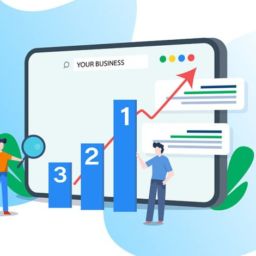
- See where your site appears on Google’s results.
If your website isn’t on page one, don’t panic—that’s normal. This test gives you a baseline and a reality check: it’s time to optimize.
Step 1: Audit Your Pages (Yes, All of Them)
Your website is your digital storefront, and every page counts. Start with a simple audit using modern tools:
- Meta titles and descriptions: Are they unique, compelling, and keyword-optimized?
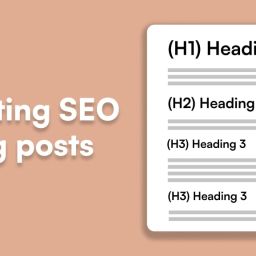
- Headers and structure: Proper use of H1s, H2s, and H3s improves readability and SEO.
- URL clarity: Short, descriptive URLs outperform long, confusing ones.
Tools to try: SEMRush, Ahrefs, Screaming Frog, or the AI-powered SurferSEO for automated recommendations.
Pro tip: Accessibility is SEO, too. Add alt text to images, ensure proper color contrast, and make navigation keyboard-friendly. Google loves sites that are usable by everyone.
Step 2: Optimize Content for Humans AND AI
SEO isn’t just keywords anymore—it’s context, intent, and experience. Use AI tools to elevate your content:
- ChatGPT or Jasper.ai for brainstorming ideas and generating outlines
- MarketMuse or Clearscope for semantic keyword coverage and content scoring
- Answer real questions: pull FAQs from forums, social media, or customer emails
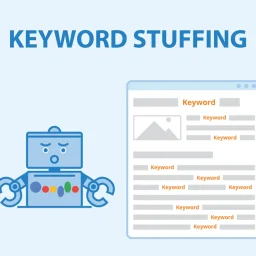
The secret: your pages should satisfy both search engines and your audience. Content that solves problems, is readable, and includes related terms naturally will outperform “keyword-stuffed” pages every time.
Step 3: Add Internal Links and Calls-to-Action
Internal linking isn’t just an SEO trick—it guides visitors through your site and distributes authority to important pages.
- Link related blog posts or service pages naturally
- Use descriptive anchor text (“Learn about AI-powered SEO tools” instead of “click here”)
- Include clear CTAs to turn visitors into leads
Structured data (schema markup) is another small step that pays off. It helps search engines understand your content type—articles, services, events—and can make your listing more prominent with rich snippets.