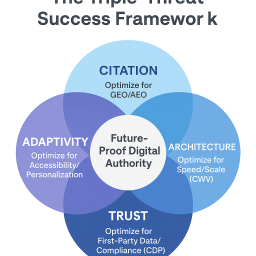


Let’s get real—Google’s algorithm changes every year, user expectations shift faster than a TikTok trend, and AI is now in your editor’s chair. But one thing remains: if your blog isn’t optimized, it’s basically invisible. For small business owners and content creators, SEO-friendly blogging isn’t just a “nice-to-have” anymore—it’s a survival skill.
Today, SEO isn’t just about keywords stuffed into paragraphs. It’s about strategic content creation that meets user intent, leverages AI insights, respects privacy laws, and creates a personalized experience for your audience.
Step 1: Start With Intent, Not Just Keywords
Gone are the days of thinking you can trick search engines with keyword stuffing. Modern SEO starts with understanding why your audience is searching. Ask:
- What questions are they asking?
- What problems do they need solved?
- How can my blog make their lives easier?
Tools like SEMRush, Ahrefs, SurferSEO, and Moz are your new best friends—they’ll help you analyze search intent, track keyword difficulty, and uncover content gaps your competitors haven’t even thought about yet.
Pro Tip: Use AI writing assistants (like ChatGPT or Jasper) to generate topic ideas and outline posts—but always add your unique expertise and brand voice. Search engines favor authenticity.
Step 2: Craft Engaging Headlines That Convert
Your headline is the gatekeeper. No one clicks a boring title—even if it ranks.
- Include your main keyword naturally
- Promise value or an answer
- Spark curiosity or emotion
Example:
- Weak: “Tips for Blogging”
- Strong: “10 SEO-Friendly Blog Writing Tips That Actually Get Traffic in 2026”
Step 3: Structure for Humans and Search Engines
Modern blogging is about readability and scannability. Most users skim, and Google’s algorithm loves it when content is clear and structured.
- Use headings (H2, H3) to break up sections
- Bullet points and numbered lists make information digestible
- Short paragraphs improve mobile reading experience
- Internal links to related content increase time on site and boost SEO
Accessibility Note: Use descriptive alt text for images, ensure color contrast, and format text for screen readers. Accessibility isn’t just ethical—it can improve SEO and user retention.
Step 4: Optimize Content With Modern SEO Tools
Remember when Alexa rankings were a thing? That’s history. Today’s SEO pros rely on advanced tools like SEMRush, Ahrefs, SurferSEO, and RankMath to:
- Analyze competitors’ high-ranking posts
- Identify long-tail keywords
- Audit content readability and SEO score
- Track backlinks and keyword rankings
Additionally, AI-powered tools like ChatGPT or Writesonic can help speed up research and content drafts—but always refine for clarity and your brand voice.
Step 5: Enhance Content With Multimedia
Text alone won’t cut it. Users crave rich content:
- Images & infographics explain complex ideas visually
- Videos improve engagement and dwell time
- Interactive elements (quizzes, polls, calculators) boost interactivity
Pro Tip: Video snippets optimized for SEO can double as social media content. Think cross-platform synergy.
Step 6: Keep Content Fresh and Evergreen
Google favors fresh, relevant content. Don’t just publish and forget.
- Update stats and examples regularly
- Add new internal links
- Refresh meta descriptions and featured snippets
By consistently updating posts, you maintain authority and keep your traffic climbing—even as algorithms evolve.
Step 7: Monitor Performance and Iterate
Publishing is only half the battle. Use Google Analytics, Google Search Console, and Hotjar to track:
- Traffic sources and keyword performance
- Bounce rates and dwell time
- Conversion metrics