
Behind every page dominating search results is a web of credibility—earned through backlinks, mentions, partnerships, and digital authority. If you’re not analyzing those signals, you’re guessing. And guessing is expensive.
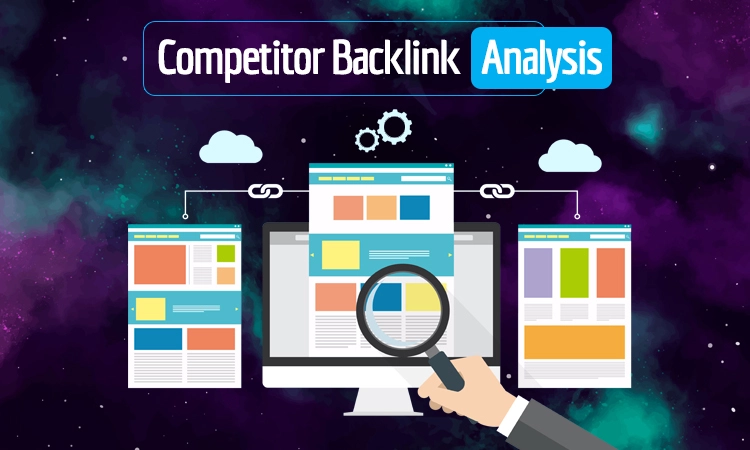
Competitor backlink analysis isn’t about copying tactics. It’s about understanding what search engines already trust—and using that insight to build smarter, cleaner, more sustainable SEO strategies.
At ONEWEBX, backlink analysis is a foundational step in every long-term growth plan.
What Is Competitor Backlink Analysis (Today)?
Competitor backlink analysis is the process of identifying:
- Who links to your competitors
- Why those links exist
- Which links actually drive authority
- Where opportunities align with your brand
Modern backlink analysis goes beyond quantity. It evaluates:
- Link relevance
- Domain authority and trust
- Traffic quality
- Contextual placement
- Editorial intent
In short: quality beats volume—every time.
Why Backlink Analysis Matters More in an AI-Driven Search World
Search engines now use AI to evaluate:
- Topical authority
- Brand trust
- Natural link patterns
- Contextual relevance
Spammy link building doesn’t just fail—it can actively hurt your site.
Competitor backlink analysis helps you:
- Spot authoritative industry sources
- Identify link-worthy content formats
- Understand which partnerships matter
- Avoid toxic or outdated tactics
Think of it as reverse-engineering trust.
Tools That Make Backlink Analysis Smarter (and Faster)
Forget outdated ranking platforms. Today’s SEO professionals rely on:
- Ahrefs – Industry leader for backlink intelligence and link quality scoring
- SEMrush – Competitive gap analysis and outreach insights
- Moz Pro – Domain authority and spam score evaluation
- Google Search Console – First-party link data you already own
AI-assisted insights from these tools help surface patterns humans would miss—especially across large link profiles.
What to Look for When Analyzing Competitor Backlinks
Not all backlinks are worth chasing. Focus on:
1. Link Sources That Make Sense
Are competitors earning links from:
- Industry blogs
- Trade publications
- Business partners
- Educational resources
- High-authority directories
Relevance > raw authority.
2. Content That Attracts Links Naturally
Ask:
- What content earns the most backlinks?
- Is it data-driven?
- Educational?
- Opinionated thought leadership?
This reveals what your audience finds valuable—not what marketers think works.
3. Gaps You Can Own
Competitor analysis often reveals:
- Publications linking to them—but not you
- Topics they haven’t covered deeply
- Outdated content still earning links
These gaps are opportunities—not threats.
How AI Improves Backlink Strategy (When Used Correctly)
AI helps by:
- Identifying link patterns
- Predicting link decay
- Scoring outreach opportunities
- Clustering link sources by relevance