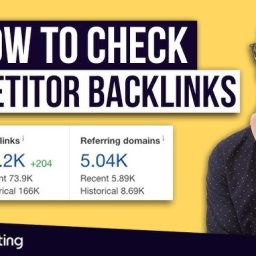


Let’s talk about what backlinks really are today, why they still matter, and how to leverage them the right way.
What Are Backlinks (In Plain English)?
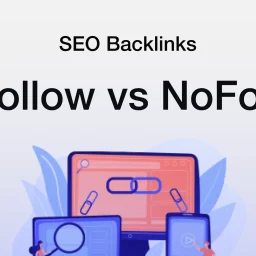
A backlink is simply another website linking to yours.
But in modern SEO, a backlink is also a signal of trust.
Not all backlinks are created equal—and Google knows the difference.
Why Backlinks Still Matter in 2026
Despite AI-powered search experiences and evolving SERPs, backlinks remain one of Google’s strongest authority signals.
High-quality backlinks help:
- Increase domain authority
- Improve keyword rankings
- Drive referral traffic
- Reinforce topical expertise
- Build brand credibility beyond search
Think of backlinks as third-party validation in a crowded digital world.
What a “Good” Backlink Looks Like Today
Forget link counts. Focus on link quality.
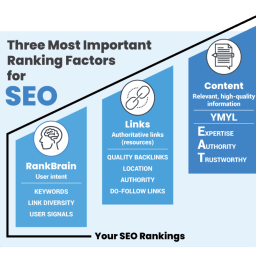
Modern SEO tools like Semrush, Ahrefs, and Google Search Console help evaluate backlinks based on:
- Relevance to your industry or topic
- Authority and trust of the linking domain
- Editorial context (natural placement vs. forced links)
- Anchor text that makes sense to humans
- Real traffic potential—not just SEO value
One strong backlink from the right source can outperform dozens of low-quality links.
How to Leverage Backlinks the Smart, Modern Way
1. Create Content Worth Referencing
This sounds obvious—and yet most sites skip it.
Content that earns links naturally:
- Original research or data
- Deep, opinionated insights
- Actionable guides
- Expert commentary
- Visual assets like charts or frameworks
AI can help outline and optimize—but authority comes from experience.
2. Build Relationships, Not Link Lists
Link building today is closer to PR than SEO.
Think:
- Industry partnerships
- Podcast guest appearances
- Digital publications and blogs
- Community contributions
- Thought leadership content
When people trust your voice, links follow.
3. Use AI to Find Opportunities (Not Shortcuts)
AI-powered SEO tools can help you:
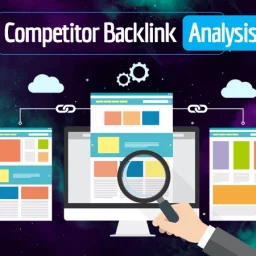
- Identify competitor backlink gaps
- Discover broken link opportunities
- Analyze which content attracts links
- Prioritize outreach targets
What AI shouldn’t do: automate spammy outreach or generate generic pitches. That’s a fast track to nowhere.
4. Optimize Internal Linking for Maximum Impact
External backlinks are powerful—but only if your site structure supports them.
At ONEWEBX, we design websites with:
- Clear content hierarchies
- Strategic internal linking
- UX-driven navigation
- SEO-friendly architecture
This ensures backlink equity actually flows where it matters.
5. Audit and Clean Up Toxic Links
Not all links help you.
Regular audits using SEO tools help identify:
- Spammy domains
- Irrelevant backlinks
- Patterns that could trigger penalties
Pruning bad links is part of modern SEO hygiene.
Common Backlink Myths (That Still Won’t Die)
- “More links are always better”
- “Any link helps”
- “Link building is dead”
- “AI can do it all automatically”
The truth: backlinks still work—but only when paired with great content, solid UX, and strategic intent.
The ONEWEBX Approach to Backlink Strategy
We don’t sell link packages.
We build authority ecosystems.
Our backlink strategies are integrated with:
- Content marketing
- UX and conversion design
- Technical SEO
- Brand positioning
- Long-term growth planning