

Let’s get real: stuffing your blog posts or web pages with keywords used to feel like SEO gold. In 2026? That strategy is a one-way ticket to penalty city. Google’s algorithms and modern search engines are smarter than ever—they care about intent, readability, and value, not repetition.
So how do you get your content discovered without falling into the keyword trap? Let’s break it down.
Why Keyword Stuffing Is a Modern SEO Mistake
Keyword stuffing isn’t just outdated—it actively hurts your site’s visibility and reputation. Here’s why:
- Search Engines Prioritize User Experience
Google and AI-powered search engines like Bing with AI, ChatGPT-powered search assistants, and Surfer SEO insights now analyze content for context, relevancy, and readability, not just frequency of keywords. Overstuffed content reads poorly and gets penalized. - Audience Engagement Drops
Your readers aren’t robots. Pages with awkward keyword repetition frustrate users, increase bounce rates, and reduce conversions. Modern UX expects clear, helpful, and scannable content. - Brand Credibility Takes a Hit
Nothing kills authority faster than robotic, forced content. In 2026, authenticity matters more than ever. Your audience wants human-sounding, value-driven content.
How to Optimize Your SEO Without Overstuffing
1. Focus on Search Intent
Forget exact-match keyword obsession. Ask:
- What question is my audience trying to answer?
- What problem are they trying to solve?
AI tools like Surfer SEO, Ahrefs, or SEMrush’s AI Content Assistant can help identify intent-driven keywords—phrases your audience naturally searches for—and suggest content that aligns with their needs.
2. Use Semantic Keywords and Related Terms
Modern SEO loves contextual relevance. Instead of repeating a single keyword 20 times, sprinkle in related phrases and synonyms naturally. For example: if your keyword is “small business website design,” also include:
- “UX design for entrepreneurs”
- “website optimization for small businesses”
- “digital strategy for startups”
AI content tools can generate these semantically related keywords automatically, saving time and improving ranking potential.
3. Prioritize Readability and UX
Content that’s easy to scan, visually appealing, and accessible keeps users engaged. Pro tips:
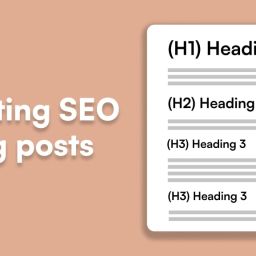
- Use headings, bullet points, and short paragraphs.
- Include images, diagrams, and videos to break up text.
- Ensure web accessibility compliance (WCAG 2.2), so everyone—including users with disabilities—can navigate your site.
4. Leverage AI to Audit Content
Modern AI tools can detect overused keywords, suggest alternative phrasing, and even predict how well your content will rank. Tools like Surfer SEO, Clearscope, and Frase offer smart content grading for readability, keyword balance, and relevance.
Modern SEO in Action: Examples
- A Boutique Marketing Agency
Instead of repeating “digital marketing agency” across every page, they used AI-assisted tools to craft topic clusters: content for social media strategy, content automation, and UX optimization. Engagement and search rankings soared. - A Local Wellness Brand
They stopped forcing “organic supplements” in every sentence. Instead, they created helpful guides, using synonyms and related terms naturally. Their traffic increased 70% while maintaining a conversational, human tone. - A SaaS Startup
They focused on long-tail questions like “how to optimize remote team workflows” rather than cramming their primary keyword everywhere. AI tools helped identify these intent-driven topics, positioning them as niche experts.