

Let’s break it down the modern way.
First, a Quick Refresher: What Is a Dofollow Link?
Technically, there’s no such thing as a “dofollow” attribute.
A dofollow link is simply a regular hyperlink. It passes authority (also known as “link equity” or “PageRank”) from one site to another. Search engines treat it as a signal of trust.
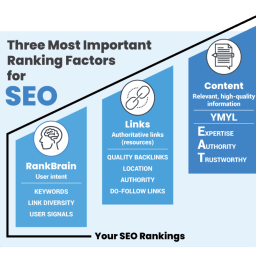
That trust still matters in 2026. Even with AI-generated answers, semantic search, and entity-based indexing, Google’s algorithm continues to use backlinks as a core ranking factor.
High-quality, relevant backlinks remain one of the strongest signals of authority.
What Is a Nofollow Link?
A nofollow link includes this HTML attribute:
rel="nofollow"
Originally introduced by Google in 2005 to combat blog comment spam, the nofollow tag told search engines:
Today, though, things are more sophisticated.
Search engines now treat nofollow as a hint, not a strict directive. That means they may choose to consider it for ranking purposes depending on context.
And that changes everything.
The Plot Twist: Modern Link Attributes (It’s Not Just Nofollow Anymore)
Search engines have evolved. So have link attributes.
Today, we also have:
rel="sponsored"– for paid links and advertisementsrel="ugc"– for user-generated content (like comments or forum posts)
This shift reflects a broader change in SEO: transparency and intent matter more than manipulation.
In a world of AI-generated content and stricter search quality standards, authenticity wins.
So… Which Is Better?
Here’s where many businesses get it wrong.
They chase dofollow links like they’re gold bars.
But the truth?
You need both.
A natural backlink profile includes:
- Dofollow links from trusted, relevant websites
- Nofollow links from social media, forums, directories, and media mentions
If all your backlinks are dofollow, that actually looks suspicious.
Search engines are smarter than ever. Thanks to AI-powered ranking systems and spam detection, unnatural link patterns are easy to spot.
At ONEWEBX, when we audit backlink profiles using tools like:
- Ahrefs
- SEMrush
- Moz
- Google Search Console
—we don’t just look at quantity. We analyze authority, topical relevance, anchor diversity, and risk signals.
Because modern SEO is about balance, not brute force.
How AI Has Changed Link Building
Here’s the elephant in the room: AI content.
With tools like generative AI platforms flooding the web with content, search engines have tightened quality standards.
Now:
- Thin content doesn’t earn backlinks.
- Generic outreach emails get ignored.
- Spammy guest posting gets penalized.
- AI-written content without human strategy rarely performs long-term.
What works instead?
Authority-driven content
Thought leadership
Original research and data
Strategic digital PR
High-value UX that keeps users engaged
Search engines evaluate not just backlinks—but user behavior, brand signals, and trust.
Links are part of a much bigger ecosystem now.
Nofollow Links Still Bring Massive Value
Here’s something many business owners overlook:
Even if a link doesn’t pass authority directly, it can:
- Drive referral traffic
- Increase brand visibility
- Lead to natural backlinks later
- Strengthen brand search signals
- Improve credibility
For example, a mention in a respected industry publication (even if nofollow) can trigger organic attention that results in powerful editorial backlinks.
That’s real digital momentum.
The UX & Trust Factor
Modern SEO isn’t just about links—it’s about experience.
Search engines now evaluate:
- Page experience
- Core Web Vitals
- Mobile performance
- Accessibility standards
- Helpful, people-first content